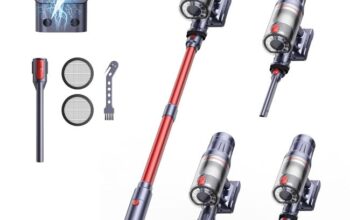
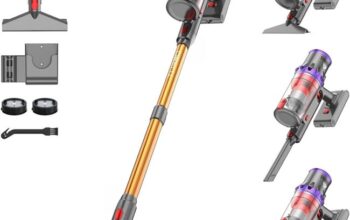
Bagless vacuum cleaners have revolutionized home cleaning by eliminating the need for disposable vacuum bags. With their advanced suction mechanisms and dust containment systems, they offer a cost-effective and eco-friendly alternative to traditional vacuums. But how does a bagless vacuum cleaner work? This guide explores the technology behind bagless vacuum cleaners, their benefits, and their efficiency compared to bagged models.
Understanding the Basic Working of a Bagless Vacuum Cleaner
At its core, a bagless vacuum cleaner functions by using strong suction to pull dirt, dust, and debris into a canister. Instead of relying on a bag to trap dirt, these vacuum cleaners use filters and cyclonic action to separate dust from the air. The clean air is then expelled, while the debris collects in a transparent dustbin, making disposal easy.
The Role of Suction and Airflow in a Bagless Vacuum
Suction is the primary mechanism behind any vacuum cleaner. A powerful motor creates negative pressure, drawing air (along with dirt and debris) into the vacuum. In bagless models, this airflow is directed through a cyclonic chamber or multiple cyclones, where centrifugal force separates fine dust particles from the air.
Key Components of Suction Mechanism
- Motor Power: Determines suction strength. Higher wattage equals stronger airflow.
- Air Channels: Ensures even distribution of suction across the nozzle.
- Cyclonic Action: Spins dust particles away from the airflow to enhance filtration.
Cyclonic Technology: The Heart of a Bagless Vacuum Cleaner
Cyclonic separation is what makes bagless vacuum cleaners highly efficient. When air enters the canister, it is spun at high speeds, forcing heavier dirt particles to settle at the bottom while cleaner air moves upward.
Single vs. Multi-Cyclonic Filtration
- Single-Cyclone Systems: Basic models use a single large cyclone to separate debris.
- Multi-Cyclonic Systems: Advanced models use multiple smaller cyclones for finer dust separation, reducing filter clogging and maintaining strong suction.
Multi-cyclonic vacuums provide better dust separation and require less filter maintenance.

Filtration Systems in Bagless Vacuum Cleaners
Bagless vacuums rely on various filters to trap dust and allergens. The most effective models use a multi-stage filtration system, including:
- Pre-Motor Filters: Protects the motor from debris.
- HEPA Filters: Captures microscopic allergens and dust mites, ideal for allergy sufferers.
- Foam and Mesh Filters: Provides additional filtration and prevents clogging.
HEPA Filters: Essential for Clean Air
HEPA (High-Efficiency Particulate Air) filters trap 99.97% of particles as small as 0.3 microns, making them a must-have for allergy-sensitive households.
How Does the Dustbin System Work?
Unlike traditional bagged vacuums, bagless vacuums collect dirt in a detachable dustbin. Users can easily remove and empty the bin into a trash can without touching the debris.
Advantages of a Dustbin System
- Transparent Design: Allows users to see when it needs emptying.
- Reusable: No need for replacement bags, reducing maintenance costs.
- Quick Disposal: Dirt can be emptied directly into a bin, preventing odor buildup.
How Do Bagless Vacuums Maintain Suction Over Time?
One common problem with traditional vacuums is loss of suction as bags fill up. Bagless vacuums avoid this by maintaining airflow efficiency through cyclonic technology. Regular cleaning of filters and the dustbin ensures continuous strong suction.
Tips to Maintain Suction Power
- Clean Filters Regularly: Wash or replace HEPA filters as needed.
- Empty the Dustbin Frequently: Prevents airflow blockages.
- Check for Clogs: Remove debris stuck in the hose or brush head.
- Clean the Brush Roll: Hair and fibers can wrap around it, reducing effectiveness.
Advantages of Using a Bagless Vacuum Cleaner
Bagless vacuums offer several benefits over their bagged counterparts.
Cost Savings and Convenience
- No Need for Bags: Saves money on replacement bags.
- Easy to See When Full: Transparent bins make it simple to monitor.
- Less Waste: More eco-friendly as there’s no disposable bag waste.
Improved Filtration and Performance
- Cyclonic Action: Ensures dust stays in the bin, not in filters.
- Consistent Suction: No loss of power due to full bags.
- Better Allergen Control: HEPA filters improve air quality.
Limitations of Bagless Vacuum Cleaners
Despite their advantages, bagless vacuums have some drawbacks.
Dust Exposure During Emptying
One downside is potential dust clouds when emptying the bin, which can trigger allergies.
Frequent Filter Maintenance
Bagless vacuums require regular filter cleaning or replacement to maintain efficiency.
Noisier Operation
Some models tend to be louder due to the cyclonic technology and stronger suction.
Discover How to Fix a Vacuum Cleaner with No Suction.
How Bagless Vacuums Compare to Bagged Models
Feature Comparison
| Feature | Bagless Vacuum Cleaner | Bagged Vacuum Cleaner |
|---|---|---|
| Cost | No replacement bag cost | Ongoing cost for bags |
| Suction Power | Consistent with clean filters | Decreases as bag fills |
| Filtration | Uses HEPA and foam filters | Bag itself acts as a filter |
| Maintenance | Requires frequent cleaning | Less frequent maintenance |
| Dust Disposal | Can release dust when emptying | Cleaner disposal method |
While bagged vacuums offer superior dust containment, bagless models provide better cost savings and environmental benefits.
How to Choose the Best Bagless Vacuum Cleaner
When selecting a bagless vacuum, consider the following:
- Suction Power: Higher wattage equals stronger performance.
- Filtration System: Look for HEPA filters if you have allergies.
- Bin Capacity: Larger bins require less frequent emptying.
- Brush Roll Type: Motorized brushes are best for carpets, while soft rollers suit hardwood floors.
- Attachments: Ensure it includes crevice tools, upholstery brushes, and pet hair attachments.
FAQs
How often should I clean the filters in a bagless vacuum cleaner?
Most manufacturers recommend cleaning the filters every one to two months, but frequency depends on usage and dust levels.
Do bagless vacuum cleaners lose suction over time?
Yes, if filters and dustbins are not maintained. Regular cleaning ensures consistent performance.
Are bagless vacuums better for allergies?
Bagged vacuums are generally better for allergy sufferers as they trap dust more effectively. However, models with HEPA filters can minimize allergen exposure.
Can I wash the dustbin of a bagless vacuum?
Yes, most dustbins are washable, but always check the manufacturer’s instructions before rinsing.
Which is better, single or multi-cyclonic filtration?
Multi-cyclonic filtration is superior as it prevents filter clogging and maintains suction for longer periods.
Conclusion
A bagless vacuum cleaner is an efficient, cost-effective, and eco-friendly cleaning solution. By using cyclonic action and advanced filtration systems, these vacuums provide consistent suction and easy maintenance. Whether you’re looking for a vacuum for deep cleaning carpets or handling pet hair, bagless models offer an excellent choice with the right maintenance and usage.