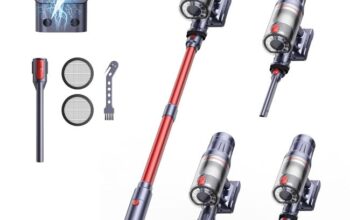
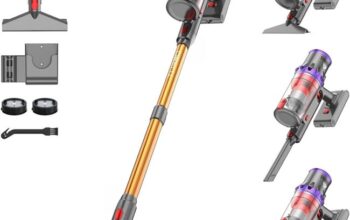
Introduction: Why Allergy-Proof Cleaning Matters
Allergies are more than just a seasonal inconvenience. According to the American College of Allergy, Asthma, and Immunology (ACAAI), over 50 million Americans suffer from allergies each year. Dust mites, pet dander, pollen, and mold spores are some of the most common culprits that trigger allergic reactions. These microscopic irritants often settle in your carpets, upholstery, and bedding, making your home a breeding ground for discomfort. To combat these issues, implementing allergy-proof cleaning practices can significantly reduce exposure to allergens and create a healthier living environment.
The good news? With the right tools and techniques, you can significantly reduce allergens in your living space. One of the most effective ways to achieve this is through allergy-proof cleaning, and at the heart of it lies the humble vacuum cleaner. But not all vacuums are created equal. In this comprehensive guide, we’ll explore what makes a vacuum cleaner truly “allergy-proof,” how to choose the best one for your needs, and actionable tips to keep your home allergen-free.
Understanding Allergens: What Are You Fighting Against?
Before diving into vacuum cleaners, let’s take a closer look at the enemy—common household allergens.
Dust Mites: Invisible Invaders
Dust mites are microscopic creatures that thrive in warm, humid environments. They feed on dead skin cells and are commonly found in mattresses, pillows, carpets, and upholstered furniture. Studies show that up to 84% of homes have detectable levels of dust mite allergens.
Pet Dander: Furry Friends, Hidden Threats
If you’re a pet owner, you know how much joy they bring—but their dander (tiny flakes of skin) can wreak havoc on allergy sufferers. According to the Asthma and Allergy Foundation of America (AAFA), about 30% of people with allergies are sensitive to cats and dogs.
Pollen and Mold Spores: Outdoor Intruders
Pollen and mold spores may originate outdoors, but they easily hitch a ride into your home via shoes, clothing, and even open windows. Once inside, they can cling to surfaces and become airborne again.
Understanding these allergens is the first step toward combating them effectively. A powerful vacuum cleaner equipped with advanced filtration systems can make all the difference.
Key Features to Look for in an Allergy-Proof Vacuum Cleaner
Not every vacuum cleaner is designed to tackle allergens. Here are the must-have features to consider when shopping for an allergy-proof model.
-
HEPA Filtration System
High-Efficiency Particulate Air (HEPA) filters are the gold standard for trapping allergens. These filters can capture 99.97% of particles as small as 0.3 microns, including dust mites, pollen, and pet dander. Without a HEPA filter, many allergens can escape back into the air during vacuuming.
Why It Matters: Research published in the Journal of Allergy and Clinical Immunology highlights that HEPA-filtered vacuums reduce airborne allergens by up to 60%.
-
Sealed Design
A sealed system ensures that no dirt or allergens leak out of the vacuum while you clean. This feature is especially important if you’re dealing with severe allergies.
-
Strong Suction Power
Suction power is measured in air watts. For allergy-proof cleaning, aim for a vacuum with at least 100 air watts. Strong suction ensures that allergens are lifted from deep within carpets and fabrics.
-
Anti-Allergen Seal Technology
Some vacuums come with additional seals around the dustbin and filters to prevent allergens from escaping. This technology is particularly beneficial for households with pets or children.
-
Washable Filters
Reusable, washable filters save money and reduce waste. Plus, they maintain their efficiency over time if cleaned regularly.
-
Specialty Attachments
Look for vacuums with attachments like crevice tools, upholstery brushes, and motorized pet hair removers. These accessories help target hard-to-reach areas where allergens accumulate.
Top Picks: The Best Vacuum Cleaners for Allergy-Proof Cleaning

Now that you know what to look for, here are some top-performing vacuum cleaners that excel in allergy-proof cleaning.
-
Dyson V15 Detect
This cordless powerhouse boasts laser technology to reveal hidden dust and a HEPA filtration system to trap allergens. Its lightweight design makes it perfect for quick cleanups.
-
Miele Complete C3 Marin
With its sealed system and electrobrush, the Miele C3 Marin is ideal for deep-cleaning carpets and removing pet hair. It also features a lifetime HEPA filter.
-
Shark Vertex DuoClean Powered Lift-Away
This versatile vacuum combines two brush rolls for superior pickup and includes anti-allergen seal technology. It’s great for both carpets and hard floors.
-
iRobot Roomba s9+
For those who prefer robotic convenience, the Roomba s9+ offers automatic dirt disposal and HEPA filtration. It’s perfect for maintaining a consistently clean home.
Each of these models has been praised in reviews by trusted sources like Consumer Reports and Wirecutter for their performance in reducing allergens.
Tips for Effective Allergy-Proof Cleaning
Owning the right vacuum cleaner is only half the battle. Here’s how to maximize its effectiveness.
-
Vacuum Regularly
Experts recommend vacuuming high-traffic areas at least twice a week and low-traffic areas once a week. Frequent cleaning prevents allergens from building up.
-
Focus on Hotspots
Pay extra attention to areas where allergens tend to gather, such as under beds, behind furniture, and along baseboards.
-
Use Proper Technique
Move slowly and methodically to ensure thorough coverage. Overlapping strokes help pick up more debris.
-
Maintain Your Vacuum
Empty the dustbin after every use and clean the filters monthly. Neglecting maintenance can compromise performance.
-
Pair with Other Cleaning Methods
Vacuuming alone isn’t enough. Combine it with damp dusting, washing bedding in hot water, and using allergen-proof mattress covers for optimal results.
The Science Behind Allergy-Proof Cleaning
Numerous studies underscore the importance of proper cleaning methods in reducing allergen exposure. For instance, a study published in Indoor Air found that households using HEPA-filtered vacuums experienced a 50% reduction in airborne allergens compared to those using standard vacuums.
Additionally, researchers emphasize the role of humidity control in minimizing dust mite populations. Keeping indoor humidity below 50% can significantly decrease allergen levels.
Real-Life Success Stories
Sarah, a mom of two from Chicago, shares her experience: “After switching to a HEPA-filtered vacuum, I noticed my son’s asthma symptoms improved dramatically. We used to dread springtime, but now he can play outside without worrying about flare-ups.”
Stories like Sarah’s highlight the transformative impact of allergy-proof cleaning.
FAQs About Allergy-Proof Cleaning
- What is the best type of vacuum for pet allergies?
Vacuums with motorized pet hair tools and HEPA filters work best. - How often should I replace my vacuum’s HEPA filter?
Most manufacturers recommend replacing HEPA filters every 6-12 months. - Can I use a regular vacuum for allergy-proof cleaning?
While possible, regular vacuums lack the filtration and sealing needed to trap allergens effectively. - Are cordless vacuums as effective as corded ones?
Yes, provided they have strong suction and HEPA filtration. - Do steam cleaners help with allergens?
Steam cleaners kill dust mites and sanitize surfaces but don’t remove particles like vacuums do. - Is it worth investing in a robotic vacuum?
Robotic vacuums like the Roomba s9+ offer convenience and consistent cleaning, making them a worthwhile investment. - How can I test my home for allergens?
Professional allergen testing kits or services can identify specific triggers. - What’s the difference between HEPA and non-HEPA filters?
HEPA filters capture smaller particles, making them essential for allergy sufferers. - Can I clean my own HEPA filter?
Some HEPA filters are washable, but others need replacement. Check your manual. - Does vacuuming increase allergens temporarily?
Poorly designed vacuums can stir up allergens, but HEPA-filtered models minimize this risk.
Conclusion: Breathe Easier with Allergy-Proof Cleaning
Creating an allergy-proof home doesn’t have to be overwhelming. By investing in the right vacuum cleaner and adopting smart cleaning habits, you can significantly reduce allergens and improve your quality of life. Remember, consistency is key—regular vacuuming paired with other cleaning strategies will yield the best results.
Whether you choose a Dyson, Miele, or Shark, prioritize features like HEPA filtration, strong suction, and anti-allergen seals. With the knowledge and tools shared in this guide, you’re well-equipped to tackle allergens head-on and enjoy a healthier, happier home.
Read More:
When Was the Vacuum Cleaner Invented: The Fascinating Evolution of a Household Essential