You just spent valuable time vacuuming your carpet, expecting that clean, fresh appearance afterward. However, you still notice stubborn flecks and lingering dullness despite your efforts. Many homeowners wonder if their vacuum has problems or their technique lacks efficiency. In reality, several factors contribute to carpets that remain dirty after thorough vacuuming sessions. This comprehensive guide explores why is my carpet still dirty after vacuuming. Additionally, we’ll examine vacuum limitations, specific cleaner problems, technique issues, and carpet types themselves. Furthermore, we’ll provide actionable tips to help achieve a genuinely cleaner, healthier carpet environment. Most importantly, understanding these factors helps eliminate frustration when dealing with persistently dirty carpets.
The Hidden Realities: What Your Vacuum Might Be Missing
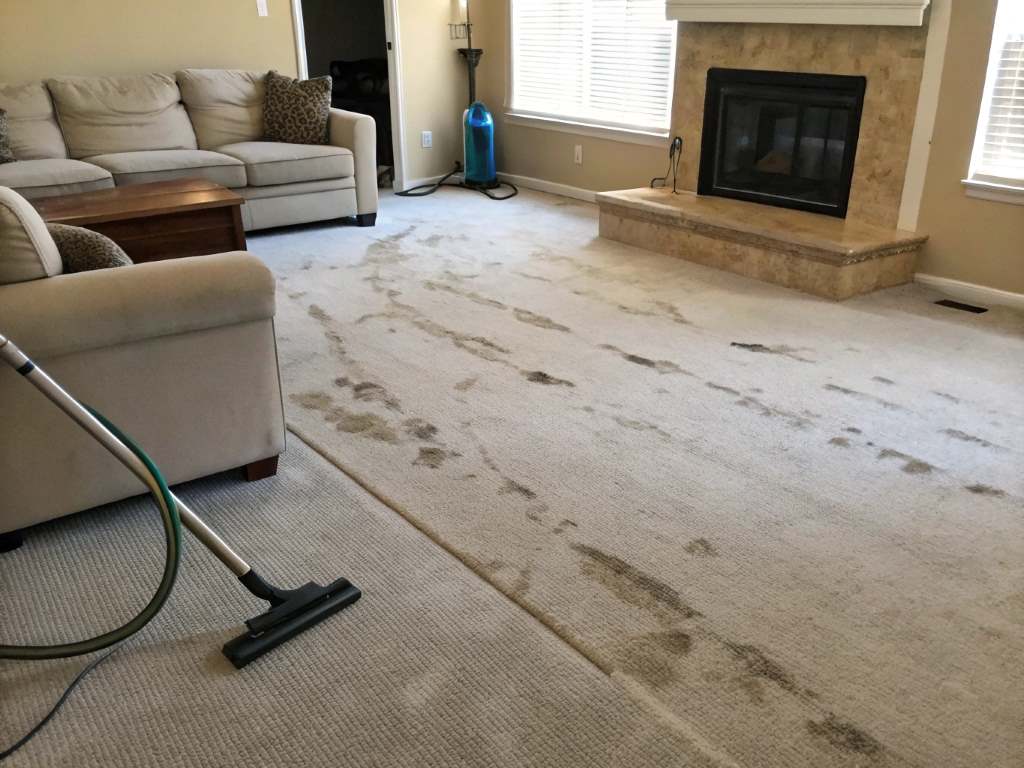
Understanding dirty-looking carpets starts with knowing what vacuuming can and cannot actually accomplish. While vacuuming remains essential for carpet care, it primarily targets loose surface debris. Unfortunately, carpets have complex structures that efficiently trap dirt deep within their fibers. Meanwhile, foot traffic constantly pushes particles deeper into carpet backing beyond regular vacuum reach. Consequently, this embedded dirt causes your carpet to appear dull despite regular cleaning. Think about carpets like icebergs, with visible dirt representing only a fraction underneath. Moreover, deep grime contributes to unpleasant odors while creating abrasive action against carpet fibers. Also, sticky residues from spills, cleaning products, and airborne cooking oils bind dirt firmly. Subsequently, these bound particles resist suction power from even the strongest household vacuums.
The Nature of the “Dirt”: Not All Grime is Created Equal
The “dirt” making your carpet look unclean actually combines several different problematic substances. First, dry particulates like sand, soil, dust, and crumbs respond well to vacuuming. However, oily residues from skin, pet fur, cooking grease, and certain spills coat fibers. These substances attract additional dust and dirt, forming sticky films throughout your carpet. Unfortunately, standard vacuuming struggles to break down these oily, magnetic-like deposits on fibers.
Meanwhile, stains from coffee, wine, ink, or pet accidents leave behind discolored patches. Although vacuuming removes loose debris associated with spills, it cannot eliminate chemical staining. Furthermore, allergens and microorganisms like dust mites, pollen, mold spores, and bacteria thrive. Even vacuums with HEPA filters cannot completely eliminate deeply established microorganism populations in carpets. Consequently, your vacuum serves as excellent maintenance but cannot solve every soiling issue. Explore Vacuuming Hardwood Floors Without Scratches.
Your Vacuum Cleaner: Is It Up to the Task?
Vacuum cleaners vary greatly in quality, directly affecting how clean your carpets become. Subsequently, underperforming machines invariably leave significant dirt behind after cleaning sessions are complete. First, adequate suction power remains absolutely essential for effective deep carpet cleaning success. This power, measured in Air Watts or sometimes motor amperage, determines dirt-lifting ability. Unfortunately, older vacuums, budget models, or machines with blockages produce insufficient suction power.
They merely skim the surface, leaving embedded grit and fine particles untouched. Meanwhile, clogged filters severely restrict airflow, directly reducing suction capability and cleaning effectiveness. Furthermore, many modern vacuums feature washable or replaceable filters requiring regular maintenance attention. Additionally, full bags or canisters significantly decrease available space for proper airflow through. Therefore, experts recommend emptying canisters after each use or changing bags when two-thirds full.
Blockages in hoses, wands, or cleaning heads drastically impede airflow and reduce cleaning potential. Regular inspection of these pathways prevents performance problems and extends vacuum lifespan considerably. Moreover, the brush roll serves as an essential component for most carpet cleaning situations. This rotating brush agitates carpet fibers, loosening embedded dirt toward the vacuum’s suction inlet. Unfortunately, worn bristles cannot effectively agitate carpets, leaving significant amounts of dirt behind.
Meanwhile, incorrect height settings prevent proper brush contact with carpet fibers, resulting in inadequate agitation. Conversely, settings too low can damage carpets and restrict airflow through the machine. Additionally, broken belts, jammed motors, or debris accumulation prevents brush rolls from spinning properly. You should hear and often see the brush roll spinning during normal operation.
Technique Matters: How You Vacuum Can Make a Difference
Even the best vacuum cleaner requires proper technique for optimal carpet cleaning results. Rushing through cleaning or using inefficient patterns inevitably leaves dirt and debris behind. First, vacuuming too quickly represents one extremely common and problematic cleaning mistake today. Your vacuum needs adequate time to agitate fibers and extract dislodged dirt effectively. Pushing too rapidly across surfaces only grabs the uppermost debris layer lying visible. Instead, make several slow, overlapping passes, especially focusing on high-traffic areas needing attention. Go both forward and backward over the same carpet section methodically. This gives brush rolls more working time and improves particle extraction significantly.
Carpet fibers point in different directions, sometimes shielding dirt from one-directional vacuuming approaches. Therefore, varying your vacuuming pattern helps attack dirt from multiple beneficial angles. Try using a crisscross pattern for deeper cleaning results throughout your carpeted areas. After making initial passes one way, go perpendicular across the same area. This technique lifts carpet pile and dislodges stubborn particles hiding between fibers effectively. Additionally, don’t forget edges, corners, and furniture areas needing special cleaning attention. The main vacuum head struggles reaching tight spaces along baseboards or under furniture. These neglected areas accumulate significant dust and contribute to generally unclean room feelings. Fortunately, crevice tools work perfectly for edges, while upholstery brushes clean stairs effectively.
Carpet Characteristics: Some Types Are Trickier to Clean
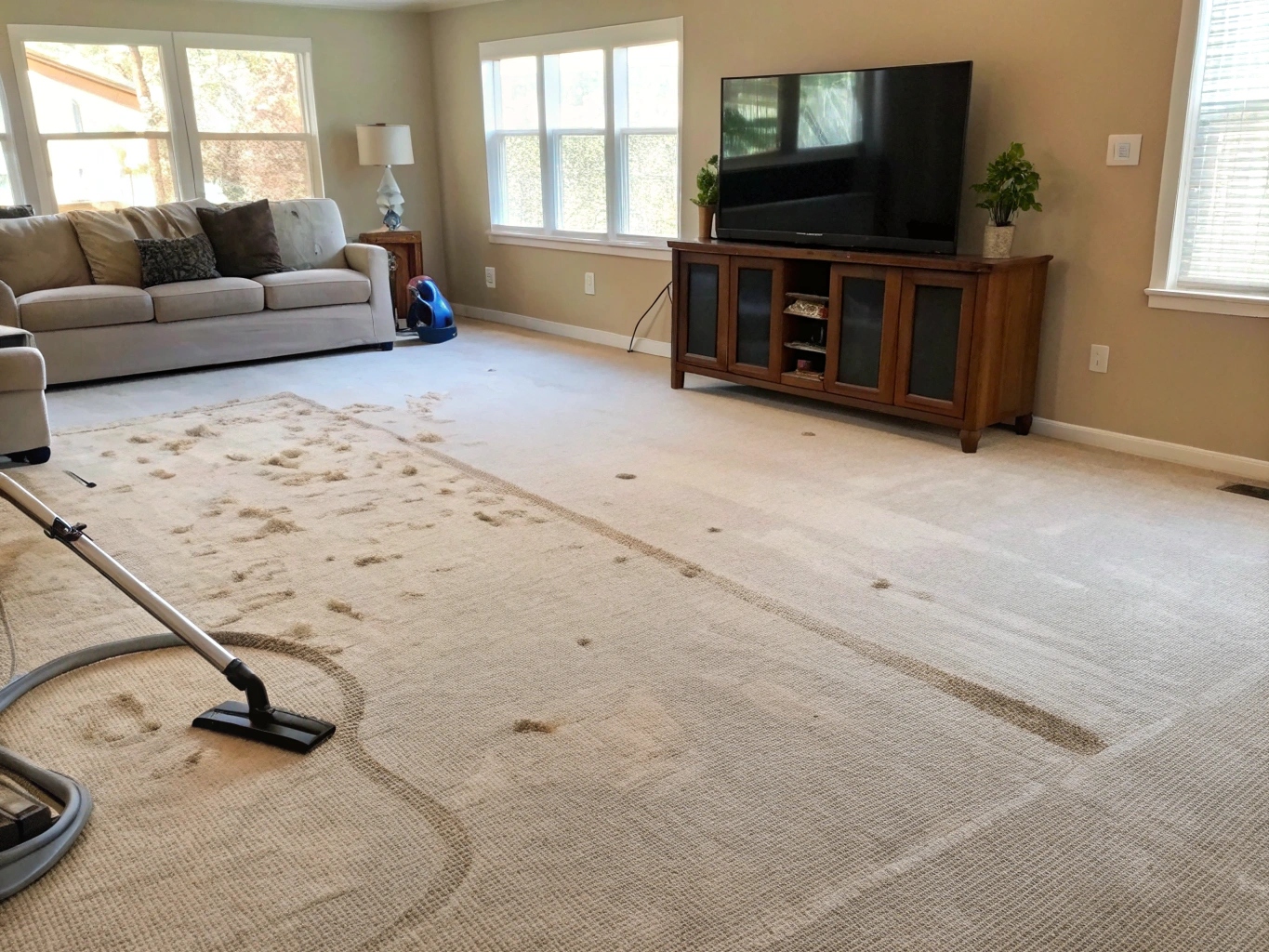
Your specific carpet type significantly influences how clean it gets with vacuuming alone. Different fibers and pile constructions interact with dirt in uniquely challenging ways. High-pile carpets, including luxurious shag varieties, create especially difficult cleaning situations for homeowners. Their long, dense fibers provide numerous hiding places for dirt and allergens. Standard vacuums struggle generating enough lift for deep debris in thick carpets. Meanwhile, brush rolls sometimes damage delicate long fibers without proper height adjustment settings. Look for vacuums offering adjustable suction and specialized settings for delicate carpets. Many newer models now feature specialized attachments specifically designed for challenging carpet types.
Loop pile carpets like Berber offer durability but trap fine particles between tight weaves. While looking clean superficially, these carpets hide fine grit in their backing. This hidden grit causes gradual abrasion and deterioration of carpet fibers over time. Consequently, these carpets require gentle agitation to prevent snagging their characteristic loops during cleaning. Meanwhile, older carpets develop fraying, matting, and general wear, especially in high-traffic areas. This damage creates a perpetually dirty appearance despite regular and thorough cleaning efforts. Unfortunately, vacuuming cannot restore frayed fibers, only remove loose surface soil particles. Professional cleaning might improve appearance temporarily, but replacement eventually becomes the only solution.
When Vacuuming Isn’t Enough: The Need for Deeper Cleaning
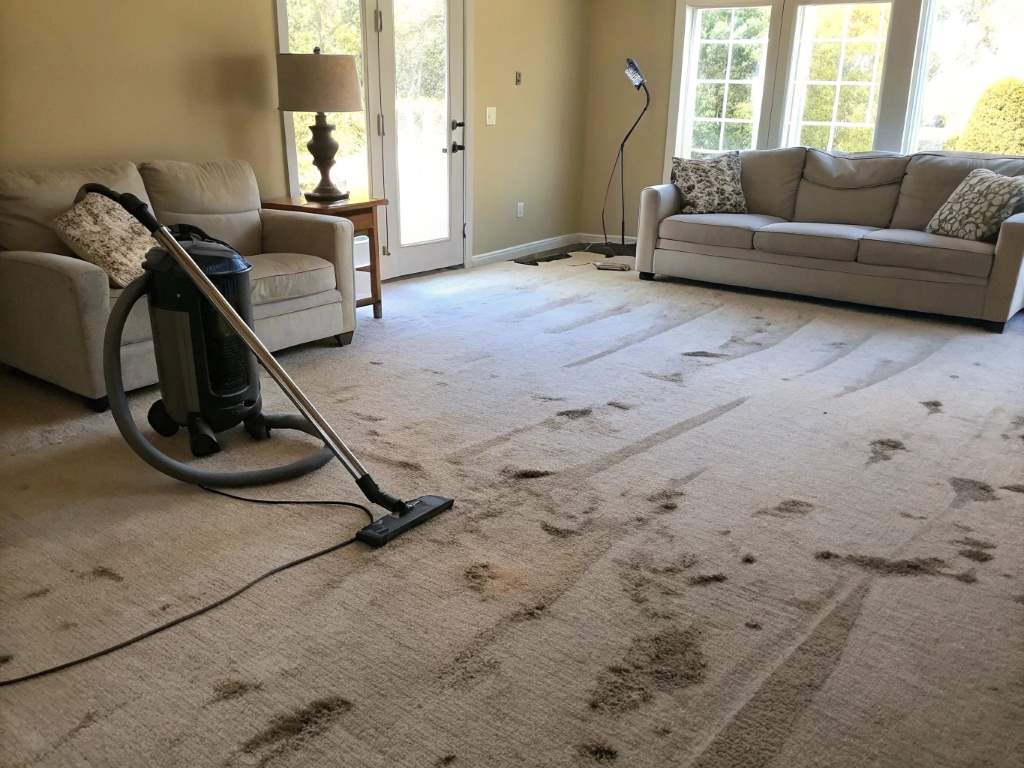
Regular vacuuming constitutes just one component of comprehensive carpet maintenance and care. Eventually, even diligent vacuuming routines cannot remove deeply embedded soil and oily residues. Household vacuums have significant limitations compared to professional equipment and deep cleaning methods. Hot water extraction, commonly called steam cleaning, injects water and solution deeply. Then, powerful suction immediately extracts the water along with dissolved and suspended dirt. This effectively flushes out deeply embedded dirt that regular vacuuming simply cannot reach. Most carpet manufacturers recommend professional hot water extraction every twelve to eighteen months. Modern professional machines boast improved water recovery and specialized solutions for different stains.
Alternatively, dry cleaning methods use minimal moisture for delicate carpets needing quick drying times. These methods work well for maintenance between more thorough deep cleaning sessions. Watch for persistent dullness, lingering odors, or visible stains that vacuuming doesn’t address. Additionally, increased allergy symptoms often indicate carpets need professional cleaning beyond regular maintenance. Sometimes carpets simply don’t feel fresh anymore despite your best vacuuming efforts. Investing in periodic professional cleaning revitalizes appearance while extending carpet lifespan considerably. Furthermore, professional cleaning contributes significantly to healthier indoor air quality for your family.
People Also Ask: Frequently Asked Questions
How often should homeowners vacuum carpets for truly best cleaning results today?
Most households should vacuum high-traffic areas two or three times each week. Less-used areas generally need vacuuming just once weekly for good maintenance. Homes with pets, children, or allergy sufferers benefit from more frequent cleaning sessions. Some situations might actually require daily vacuuming in particularly problematic areas or spots.
Can using the wrong vacuum cleaner damage carpets over time?
Unfortunately, yes. Vacuums with very aggressive beater bars set too low damage delicate carpets. They cause fuzzing, snags, and premature wear on carpet fibers and backing. Always use appropriate height settings and consider vacuums with adjustable brush rolls.
Why do carpets sometimes look worse after vacuuming, showing distinct lines?
Vacuuming lifts the pile, causing light to reflect differently across the surface. This normal effect sometimes makes carpets appear temporarily uneven after thorough cleaning. However, genuinely dirtier-looking carpets might indicate problems with your vacuum cleaner itself.
Are modern robotic vacuums effective for deep carpet cleaning needs today?
As of May 2025, robotic vacuums have become incredibly sophisticated cleaning tools. They excel at daily maintenance and controlling surface dust and pet hair. They significantly reduce overall dirt accumulation between more thorough manual cleaning sessions. However, most robots still cannot match powerful uprights for deep cleaning tasks. Consider robots as supplementary tools rather than complete replacements for traditional vacuuming.
Conclusion: Achieving Truly Clean Carpets
So, why is my carpet still dirty after vacuuming? Clean carpets require understanding vacuuming limitations and implementing comprehensive maintenance approaches over time. First, ensure your equipment remains in excellent condition and suits your specific carpet type. Use effective techniques, slowing down and making multiple passes for thorough cleaning results. Recognize when professional intervention becomes necessary for deeply embedded dirt and stains. Address potential problems systematically when carpets appear dirty despite regular vacuuming efforts.
Check filters, bags, brush rolls, and height settings for optimal cleaning performance. Slow your pace, use overlapping strokes, and vary directions to attack dirt effectively. Don’t forget edges and corners using specialized attachments designed for these challenging areas. Supplement your routine with periodic professional cleaning for consistently fresh, healthy carpets. The reward includes better appearance, improved air quality, and extended carpet life overall.