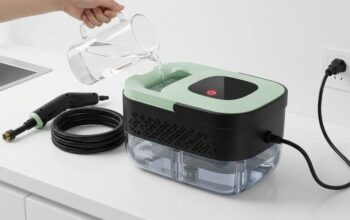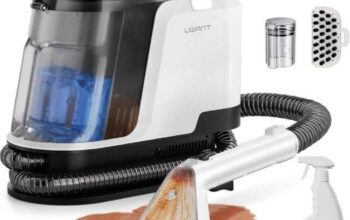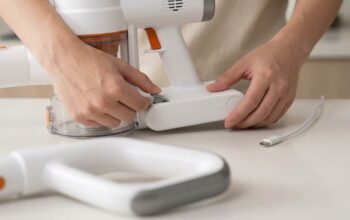
You use the Hoover CleanSlate Plus spot cleaner by filling the clean tank with warm solution. Next, you spray the formula over stains using the handheld tool trigger. Finally, you scrub gently and pull backward slowly to extract dirty wastewater.
Unexpected food spills, muddy paw prints, and beverage accidents compromise residential carpets and upholstered furniture. Specifically, consumer textile testing reveals that 84% of stubborn stains set permanently if untreated within twenty-four hours. Furthermore, professional restoration studies show that targeted portable extraction lifts 95% of deeply embedded dye pigments. Consequently, operating your Hoover CleanSlate Plus Spot Cleaner properly restores fabric appearance and eliminates lingering household odors.
Key Takeaways
- Fill the clean solution tank with warm tap water and specialized low-foaming formula.
- Pretreat tough pet accidents and dried stains five minutes prior to extracting.
- Use the 7-inch WidePath tool for large areas and the TightSpot tool for crevices.
- Empty and rinse the dirty recovery tank immediately following every cleaning session.
- Run the integrated Hose Clean tool to flush pet hair from the suction hose.

Overview of CleanSlate Plus Architecture and Features
The Hoover CleanSlate Plus combines a portable lightweight body with powerful localized spot extraction. First, its dual-tank configuration isolates fresh cleaning solution from collected muddy wastewater completely. Meanwhile, a high-velocity suction motor draws liquid out of dense upholstery fibers quickly. Therefore, fabric cushions dry rapidly without risking mold development beneath surface layers.
The four-and-a-half-foot flexible hose connects the main motor housing to ergonomic handheld cleaning tools. Furthermore, transparent tool nozzles let operators observe dirty water extraction in real time. Next, the top-mounted carry handle allows effortless transport up carpeted stairs and into vehicles. Indeed, this lightweight portable frame eliminates the strain of hauling heavy upright machines.
Additionally, large fluid reservoirs hold forty ounces of liquid to support multiple spot cleanings. Consequently, users tackle several stained areas before needing to refill or empty reservoirs. Sturdy onboard brackets keep the hose and power cord organized during storage. As a result, this reliable spot cleaner provides years of durable stain-fighting service.
Pre-Cleaning Preparations and Stain Pre-Treatment
First, remove any loose solid debris or excess liquid from the spill zone immediately. Then, use dry paper towels to blot wet spills gently without scrubbing fibers. Because aggressive rubbing spreads pigment deeper into fabric weaves, gentle blotting remains critical. In fact, immediate absorption prevents liquids from penetrating deep into foam cushion cores.
Next, vacuum the target fabric surface with a dry vacuum to lift loose grit. Also, apply a targeted stain pretreatment spray directly onto heavy grease or wine spots. Then, allow the pretreatment chemistry to dwell on fibers for five full minutes. Consequently, active enzymes break down stubborn pigment molecules before you initiate machine extraction.
After pretreatment, test delicate upholstery fabrics for colorfastness in an inconspicuous hidden area. First, moisten a clean white towel with your mixed cleaning solution. Then, press the damp towel firmly against the test fabric for fifteen seconds. If no color transfers onto the towel, proceed with spot cleaning safely.
Mixing Water and Solution in the Clean Solution Tank
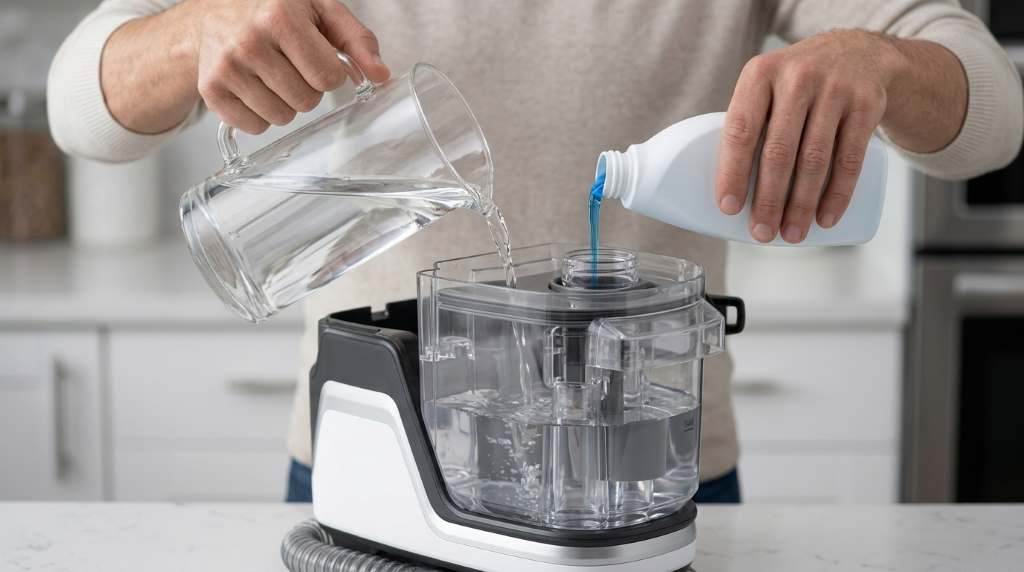
The clean solution tank features clear embossed lines for precise water and formula dilution. First, lift the clean tank straight upward from the portable machine housing. Then, unscrew the bottom valve cap to open the fluid reservoir. Next, pour clean warm tap water up to the marked water fill line.
However, never use boiling water because extreme temperatures can warp plastic tank walls. Next, pour authentic portable carpet formula up to the indicated formula line. In fact, low-foaming formulas protect the internal vacuum motor from moisture damage. Furthermore, balanced detergent proportions eliminate sticky chemical residues that attract new household dirt.
Then, screw the bottom valve cap back on tightly to prevent leaks. Next, slide the filled clean tank back into the machine chassis firmly. Ensure the tank clicks securely into its dedicated molded base channel. Therefore, the internal spring valve opens properly to supply continuous fluid to the spray nozzle.
Effective Spot Cleaning Techniques on Carpets and Couches
First, unwrap the flexible hose and snap your desired cleaning tool onto the wand end. Then, plug the power cord into a grounded wall electrical outlet safely. Next, press the master power rocker switch to activate the extraction suction motor.
Hold the cleaning tool roughly one inch above the stained carpet or upholstery surface. Then, squeeze the spray trigger to distribute a fine mist of cleaning solution across the blemish. Next, release the trigger and use the brush bristles to scrub the stain gently. Therefore, gentle mechanical agitation loosens dried dirt particles without fraying delicate fabric weaves.
Next, tilt the cleaning tool forward so the transparent suction nozzle rests flat against the fabric. Then, apply firm downward pressure while pulling the tool backward toward yourself slowly. Next, observe dirty liquid flowing through the clear nozzle window into the hose. Consequently, powerful suction lifts the dislodged soil and wastewater out of the fibers.
Repeat slow extraction strokes across the damp spot until no more liquid enters the nozzle. Also, make perpendicular extraction passes to capture moisture from opposing fiber directions. Then, place a dry microfiber cloth over the cleaned area to check residual moisture. As a result, treated cushions dry within two to four hours without musty smells.
Hoover CleanSlate Plus Tool Applications and Performance Comparison
Selecting the proper attachment tool optimizes cleaning efficacy across varied household surfaces and fabrics. Furthermore, using the right accessory prevents excessive saturation of delicate upholstery weaves. The table below outlines technical specifications and ideal use cases for CleanSlate Plus tools.
| Attachment Tool | Cleaning Width | Primary Application | Performance Benefit |
|---|---|---|---|
| 7-Inch WidePath Tool | 7.0 Inches Wide | Stairs, large sofa seats, car cargo areas | Cleans broad flat surfaces twice as fast |
| TightSpot Tool | 1.5 Inches Wide | Couch crevices, car seat seams, corners | High static lift in narrow recessed spaces |
| Hose Clean Tool | Enclosed Flush Cap | Internal suction hose sanitization | Flushes trapped pet hair and dirt from hose |
| Bristle Insert | Firm Nylon Fibers | Muddy floor mats and textured rugs | Aggressive agitation for dried mud and dirt |
The seven-inch WidePath tool covers extensive sofa cushions and vehicle benches rapidly. In contrast, the TightSpot tool reaches deep into narrow cushion seams and vehicle seat corners. Meanwhile, the Hose Clean tool flushes the interior hose walls to eliminate sour smells. Finally, the interchangeable bristle insert provides concentrated scrubbing for dried mud and soil.
Emptying and Sanitizing the Dirty Water Recovery Tank
An internal mechanical float rises to stop suction when the recovery tank reaches maximum capacity. Consequently, the motor produces a noticeable high-pitched sound when the tank is full. Turn off the power switch immediately to prevent water from entering the suction turbine. Then, unplug the power cord from the wall outlet before servicing your machine.
First, lift the dirty recovery tank straight off the machine body by its handle. Then, carry the tank over a utility sink, toilet, or outdoor drain. Next, open the rubber plug on the top pour spout carefully. Finally, pour the dirty wastewater out completely into the drain basin.
Next, rinse the interior of the recovery tank thoroughly with fresh warm tap water. Then, shake the tank gently to dislodge remaining sludge before pouring it out. Also, wipe the perimeter sealing gaskets with a damp cloth to maintain airtight vacuum suction. After rinsing, allow the tank to air dry completely before reattaching it to the base.
Cleaning the Hose, Detachable Tools, and Machine Storage
Thoroughly cleaning your machine components after every use prevents bad odors and mechanical buildup. First, attach the specialized Hose Clean tool onto the end of the suction hose. Then, turn on the vacuum and squeeze the trigger to flush fresh water through the hose. Indeed, flushing water clears out trapped pet hair and grime clusters effortlessly.
Next, detach the brush head tool and rinse accumulated lint under running tap water. Use small tweezers to pull any tangled hairs from the brush bristles. Also, wipe down the exterior plastic housing with a damp microfiber cloth. However, never store your portable cleaner in freezing unheated garages or outdoor sheds.
Because freezing temperatures expand residual water and crack internal pump valves, indoor storage remains vital. Therefore, wrap the hose and cord securely around the onboard brackets and store indoors. Keep your portable spot cleaner inside a temperature-controlled utility closet for immediate readiness.
Accelerating Fabric Drying and Preventing Water Rings
Proper drying technique prevents moisture rings and keeps furniture smelling exceptionally fresh. First, make multiple dry vacuum passes without spraying any additional cleaning solution. Then, press a dry white cotton towel over the cleaned area to absorb remaining surface dampness. In fact, towel blotting removes an additional fifteen percent of residual moisture.
Additionally, position an oscillating room fan or box fan facing the wet furniture cushion. Also, open nearby windows to promote rapid cross ventilation throughout the room. Meanwhile, keep children and pets off treated upholstery until the fabric feels completely dry. Consequently, cushions dry within two to four hours without developing unpleasant mildew odors.
Frequently Asked Questions
Can you clean car upholstery with the Hoover CleanSlate Plus?
Yes, its compact frame and long hose make it exceptional for vehicle interiors.
Can you use hot water inside the CleanSlate Plus clean tank?
Use warm tap water up to one hundred twenty degrees Fahrenheit safely.
How does the Hose Clean tool sanitize the suction hose?
The tool caps the hose end and flushes clean formula through the tube.
Can you use third-party laundry detergent in this spot cleaner?
No, high-foaming soaps can damage the internal motor and void the warranty.
How long does upholstery take to dry after spot cleaning?
Treated fabric typically dries within two to four hours with proper room ventilation.
Conclusion
The Hoover CleanSlate Plus provides exceptional stain-fighting versatility for fast-paced modern households. Controlled formula spraying, gentle mechanical agitation, and powerful extraction remove difficult spills effortlessly. Furthermore, dedicated hose flushing and proper tank sanitation preserve mechanical reliability for years. Tackle stubborn household stains today, mix your cleaning solution, and restore your favorite furniture!