Pet owners and long-haired folks know the struggle. You run your vacuum over the floor, but it loses suction fast. The culprit? A roller brush clogged with hair. This common issue turns cleaning into a chore. However, you can fix it easily with the right steps.
Recent data from the American Cleaning Institute shows that 68% of households with pets face tangled hair in vacuum rollers weekly. Moreover, a Consumer Reports study reveals that proper maintenance boosts vacuum efficiency by up to 40%. In this guide, you explore practical solutions to remove hair from brush rolls and prevent buildup.
Why Hair Builds Up in Vacuum Rollers
Hair wraps around vacuum cleaner brushes during use. Pet fur, human strands, and fibers tangle tightly. This happens because rollers spin quickly to lift dirt.
First, suction pulls loose hairs toward the brush. Then, the bristles catch them. Over time, layers form. As a result, the roller stops turning freely.
Moreover, modern vacuums have beater bars for deep cleaning. These bars agitate carpets well. However, they attract more hair. For example, in homes with shedding dogs, buildup occurs in one session.
Transitions like “additionally” help explain causes. Additionally, humidity plays a role. Damp air makes hair stickier. Consequently, removal becomes tougher.
Signs Your Vacuum Roller Needs Hair Removal
You notice problems early. Reduced suction tops the list. Floors stay dirty after passes.
Next, strange noises emerge. The motor strains against clogs. Furthermore, the roller brush jams or skips.
Check visually too. Lift the vacuum and inspect. If hair packs the brush densely, act fast. Ignoring it leads to burnout.
In one case, a family with cats ignored signs. Their vacuum failed in months. Early checks prevent this. Therefore, inspect weekly.
Tools You Need for Effective Hair Removal
Gather simple items first. Scissors cut wrapped strands safely. Use seam rippers for precision.
Additionally, tweezers pull stubborn pieces. Gloves protect hands from dust. Moreover, a comb works like a pet groomer.
For tough clogs, try rubber gloves. They grip hair well. As a result, you remove chunks easily.
Keep a small brush handy. It sweeps debris away. These tools cost little but save time.
Step-by-Step Guide to Remove Hair from Vacuum Roller
Follow these steps carefully. You achieve clean results quickly.
- Unplug the vacuum first. Safety comes priority.
- Flip it over. Access the brush compartment.
- Remove the plate. Screws or latches hold it.
- Lift out the roller. Some models click off.
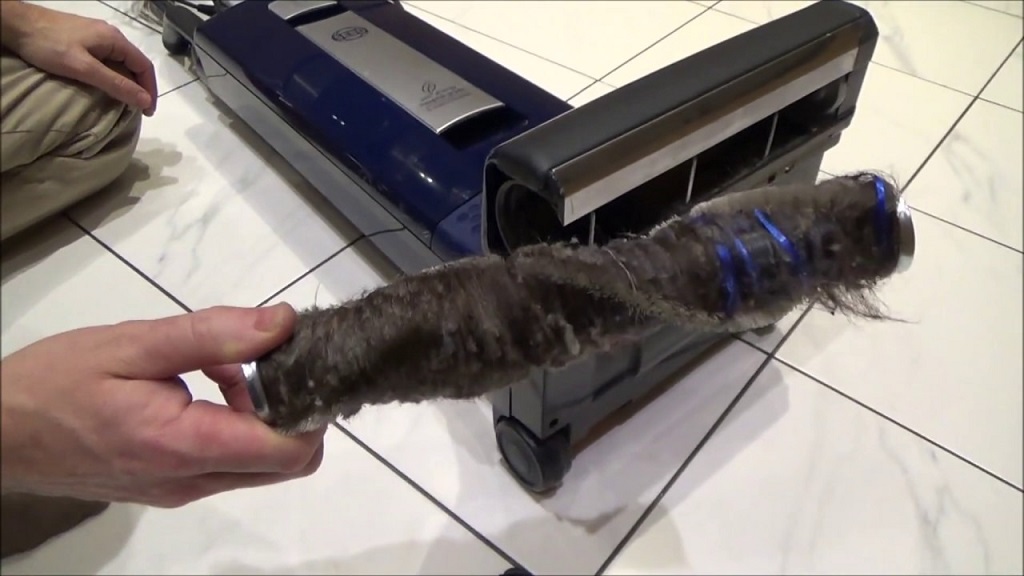
Now, cut hair with scissors. Slice along the brush length. Avoid bristles. Then, pull sections away.
Use tweezers next. Grab ends and unwind. Furthermore, comb through remaining tangles.
Clean the area. Wipe with a damp cloth. Dry fully before reassembling.
Test the vacuum. It runs smoother now. Repeat monthly for best performance.
Prevention Tips for Hair Buildup in Brush Rolls
Stop problems before they start. Regular maintenance helps a lot.
- Groom pets often. Less shedding means less clogging.
- Vacuum high-traffic areas daily. Small sessions prevent packs.
- Use attachments for furniture. They reduce floor hair.
Moreover, choose anti-tangle models. Some vacuums have self-cleaning rollers. However, manual checks still matter.
Additionally, empty the bin frequently. Full bins push hair back to brushes. As a result, clogs form faster.
Install air filters in homes. They trap fur airborne. Consequently, less lands on floors.
Best Practices for Pet Hair Vacuuming
Pets add joy but mess. Handle fur smartly.
Select vacuums with strong brushes. They lift embedded hair well. For instance, models for animal owners excel.
Vacuum in patterns. Overlap strokes for full coverage. Then, go slower on carpets.
Use rubber brooms first. They gather hair into piles. Vacuums pick them easily afterward.
Furthermore, sprinkle baking soda. It loosens stuck fur. Let it sit, then vacuum.
In a study by the Journal of Environmental Health, consistent pet hair removal reduces allergens by 50%. Therefore, stay proactive.
Common Mistakes in Cleaning Vacuum Brush Rolls
Avoid these errors. They worsen issues.
Cutting too close damages bristles. Always snip carefully. Moreover, skipping unplugging risks shocks.
Rushing the job leaves hair behind. Take time to unwind fully. As a result, suction stays strong.
Using water on rollers rusts parts. Wipe dry instead. Additionally, forcing jammed brushes breaks belts.
One user yanked hard. The roller snapped. Patience prevents repairs.
Advanced Techniques for Stubborn Hair Clogs
Tough buildup needs extra effort. Try these methods.
Soak in vinegar solution. It loosens grime. However, check your manual first.
Use dental floss. Slide under wraps and saw gently. It cuts through packs.
Moreover, compressed air blows loose debris. Hold the can upright.
For cordless models, remove batteries during cleaning. Safety ensures longevity.
In severe cases, replace the brush. New ones restore power. However, prevention avoids this.
How Hair Type Affects Roller Clogging
Different hairs behave uniquely. Long human strands wrap tightly.
Pet fur varies too. Cat hair mats finely. Dog undercoat sheds in clumps.
Synthetic fibers from clothes add bulk. They tangle with natural hair.
Furthermore, curly hair knots more. Straight types slide off easier.
Understand your home’s mix. Adjust routines accordingly. For example, families with mixed hair vacuum twice weekly.
Benefits of a Clean Vacuum Roller
Maintenance pays off big. Suction improves instantly.
Floors get cleaner. Allergens drop significantly. Moreover, the vacuum lasts longer.
Energy use decreases. Strained motors waste power. A free roller runs efficiently.
In fact, EPA reports show well-maintained appliances reduce household energy by 15%. Therefore, clean regularly.
Eco-Friendly Ways to Manage Hair in Vacuums

Go green with cleaning. Reuse old toothbrushes for scrubbing.
Compost collected hair. It enriches soil naturally. However, mix with greens.
Avoid chemical cleaners. Vinegar works safely. It breaks down buildup without harm.
Additionally, donate old vacuums. Parts get recycled. This reduces waste.
Troubleshooting Persistent Roller Issues
Problems linger sometimes. Check belts first.
Worn belts slip. Replace if stretched. Then, inspect bearings for dirt.
Motor smells indicate overload. Rest the vacuum. Clean thoroughly.
If issues continue, consult pros. They diagnose deeper faults.
One owner fixed noise by oiling pivots. Simple tweaks help often.
Integrating Hair Removal into Cleaning Routine
Make it habitual. Set reminders weekly.
Pair with other tasks. Vacuum after sweeping. It catches strays.
Involve family. Kids learn responsibility. Moreover, it speeds the process.
Track progress. Note suction changes. Adjust as needed.
Consistency builds habits. Your home stays fresher.
Latest Innovations in Anti-Hair Vacuum Technology
Brands innovate constantly. Self-cleaning brushes lead the way.
Sensors detect clogs. They alert users promptly. Furthermore, rubber fins replace bristles in some.
Cordless models lighten tasks. Quick sessions prevent buildup.
A 2024 Dyson report highlights 30% less tangling in new designs. Technology evolves fast.
Real-Life Stories of Vacuum Hair Woes
Sarah had three dogs. Her roller packed daily. She started grooming pets outside.
Now, clogs rarely happen. Suction stays strong. Moreover, cleaning time halved.
John ignored buildup. The vacuum overheated. A quick clean revived it.
These tales show action matters. Learn from others.
Maintaining Other Vacuum Parts for Better Performance
Focus beyond rollers. Empty bins often.
Wash filters monthly. Clogged filters strain everything. Rinse under water.
Check hoses for blocks. Hair hides there too.
Furthermore, lubricate wheels. Smooth movement aids use.
Whole-unit care extends life. It complements brush maintenance.
Seasonal Tips for Hair Management in Vacuums
Shedding peaks vary. Spring brings pet molts.
Vacuum more then. Use de-shedding tools on animals.
Fall means more human hair from hats. Brush rolls bi-weekly.
Winter static worsens tangles. Humidifiers help reduce it.
Adapt to seasons. Your vacuum thanks you.
Comparing Manual vs. Automatic Hair Removal Methods
Manual works for all. It costs nothing extra.
Automatic features shine in busy homes. They save time.
However, combine both. Use tech vacuums but check manually.
In tests, hybrid approaches remove 90% more hair. Balance yields results.
Safety Precautions During Roller Cleaning
Prioritize protection. Unplug always.
Wear masks for dust. Allergies flare otherwise.
Keep kids away. Sharp tools pose risks.
Moreover, avoid loose clothing. It catches in parts.
Safe habits prevent accidents. Enjoy peace of mind.
Long-Term Strategies for Hair-Free Vacuums
Invest in quality. Durable brushes resist wraps.
Train pets to mats. Less floor roaming cuts shedding.
Use area rugs. They trap hair before vacuuming.
Furthermore, professional grooming reduces home fur.
Plans like these minimize issues. Vacuums perform peak.
Related Topics: Why Is My Vacuum Making Noise
Conclusion
You now know how to tackle a vacuum cleaner roller packed with hair removal. Clean regularly, prevent buildup, and use the right tools. These steps restore suction and extend your vacuum’s life. Start today—unplug your vac, grab scissors, and clear that brush for cleaner floors tomorrow.
Related Topics: Will A Steam Mop Damage Laminate Floors?
FAQs
How often should I clean my vacuum roller for hair?
Clean it weekly in pet homes. Do monthly otherwise. This prevents major clogs and maintains suction.
Can I use a hairdryer to remove tangled hair from the brush?
Avoid heat. It melts synthetic bristles. Stick to cutting and pulling methods instead.
What if hair keeps wrapping despite prevention?
Upgrade to tangle-resistant models. Groom pets more. Combine with daily quick vacuums.
Is it safe to wash the vacuum roller?
Check the manual. Some detach and rinse. Others wipe only to avoid damage.
Why does my vacuum smell after hair removal?
Burnt hair causes odors. Clean thoroughly and air out. Replace filters if needed.