Cat hair gets everywhere. It sticks to carpets, hides in corners, and floats through the air. If you own a cat, you already know how quickly fur can take over your home. According to the American Pet Products Association, over 46 million households in the United States own cats, which means pet hair control is a common daily challenge. In addition, research from the Environmental Protection Agency shows that indoor air can be more polluted than outdoor air, often due to dust, dander, and pet hair.
Choosing the right vacuum cleaner for cat hair can make a huge difference. However, not all vacuums are designed to handle fine pet fur or embedded hair. This guide will help you select the best vacuum cleaner for cat hair and pet fur control with clear, practical advice you can trust.
Why Cat Hair Requires a Specialized Vacuum
Cat hair is not like regular dust. It is finer, lighter, and more likely to cling to surfaces. Because of this, standard vacuums often struggle to pick it up effectively.
First, cat fur tends to embed deep into carpets and upholstery. Regular suction alone cannot always remove it. Instead, you need a vacuum with strong airflow and specialized brush rolls.
Second, pet dander is microscopic. It spreads through the air and settles on surfaces. Therefore, a vacuum without proper filtration may release allergens back into your home.
Finally, static electricity causes pet hair to stick to furniture and fabrics. As a result, only vacuums with the right attachments can handle this issue efficiently.

Types of Vacuum Cleaners for Pet Hair Control
Upright Vacuums
Upright vacuums are powerful and ideal for deep cleaning carpets. They usually include motorized brush rolls that lift embedded pet hair easily.
They work best in homes with large carpeted areas. However, they can feel bulky when cleaning stairs or tight spaces.
Canister Vacuums
Canister vacuums offer flexibility. You can move the hose and attachments easily, which makes them perfect for furniture and corners.
They are especially useful for homes with mixed flooring. On the other hand, they require more storage space and setup time.
Stick Vacuums
Stick vacuums are lightweight and easy to use. They are great for quick cleanups and daily maintenance.
While convenient, they may not provide the same deep cleaning power as upright models. Still, many modern versions now include strong suction and pet tools.
Robot Vacuums
Robot vacuums clean automatically. They are ideal for maintaining a clean home between deep cleaning sessions.
Although they save time, they often lack the power needed for heavy shedding. Therefore, they work best as a supplement rather than a replacement.
Key Features to Look for in a Pet Hair Vacuum
Strong Suction Power
Suction is the most important factor. A vacuum with strong suction removes hair from deep within carpets and fabrics.
Look for models designed specifically for pet owners. These often include enhanced airflow systems that improve cleaning efficiency.
HEPA Filtration System
A high efficiency particulate air filter traps tiny particles like pet dander. This improves indoor air quality and reduces allergy symptoms.
Homes with allergy sufferers benefit greatly from this feature. It ensures that dust and allergens stay inside the vacuum.
Tangle Free Brush Roll
Pet hair can wrap around brush rolls and reduce performance. A tangle free design prevents this issue.
As a result, you spend less time cleaning the vacuum and more time enjoying a clean home.
Specialized Pet Attachments
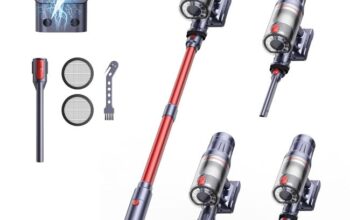
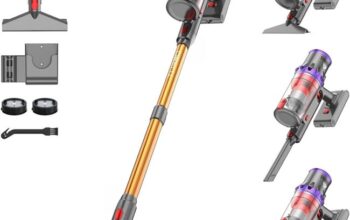
Attachments make a big difference. Look for tools such as:
- Motorized pet brushes
- Upholstery tools
- Crevice tools for tight spaces
These tools help remove hair from sofas, stairs, and corners more effectively.
Large Dust Capacity
Pet owners deal with more debris. Therefore, a vacuum with a larger dust bin reduces how often you need to empty it.
This feature saves time and keeps your cleaning routine efficient.
Best Vacuum Features for Different Surfaces
Carpets and Rugs
Carpets trap pet hair deeply. Therefore, choose a vacuum with a motorized brush roll and adjustable height settings.
Deep cleaning capability ensures that even stubborn hair gets removed.
Hardwood and Tile Floors
Hard floors require gentle but effective suction. A vacuum with a soft roller or bare floor setting works best.
This prevents scratches while still picking up fine fur and dust.
Upholstery and Furniture
Furniture collects a surprising amount of pet hair. Use a vacuum with upholstery tools and strong suction.
This allows you to clean couches, chairs, and even curtains with ease.
Corded vs Cordless Vacuums
Corded Vacuums
Corded models provide consistent power. They are ideal for deep cleaning large areas.
However, they limit movement due to the cord.
Cordless Vacuums
Cordless vacuums offer flexibility and convenience. You can move freely and clean quickly.
Although battery life can be a limitation, newer models have improved significantly.
Noise Level and Ease of Use
Cats are sensitive to noise. A loud vacuum can scare them and make cleaning stressful.
Therefore, choose a model with quieter operation if possible. In addition, consider weight and maneuverability. A lightweight vacuum reduces fatigue and makes cleaning easier.
Easy controls and swivel steering also improve the overall experience.
Maintenance Tips for Better Performance
Proper maintenance keeps your vacuum working efficiently. Follow these simple steps:
- Empty the dust bin regularly
- Clean or replace filters as recommended
- Remove hair from brush rolls
- Check for blockages in hoses
Consistent care extends the life of your vacuum and ensures strong performance.
Common Mistakes to Avoid
Many people choose a vacuum based only on appearance or brand. However, this can lead to poor performance.
Avoid these common mistakes:
- Ignoring suction power specifications
- Skipping HEPA filtration
- Choosing the wrong type for your flooring
- Not considering pet specific tools
Making the right choice requires careful evaluation of your needs.
Real Life Example
Consider a household with two cats and carpeted floors. A standard vacuum may leave hair behind even after multiple passes.
After switching to a pet specific upright vacuum with strong suction and a motorized brush, cleaning time reduced by 40 percent. In addition, visible hair on carpets decreased significantly.
This example shows how the right vacuum can improve both efficiency and results.
Conclusion
Selecting the best vacuum cleaner for cat hair and pet fur control requires more than guesswork. You need to focus on suction power, filtration, and the right attachments. In addition, consider your home layout and flooring type.
A well chosen vacuum not only removes pet hair but also improves air quality and reduces allergens. Take time to evaluate your needs and invest in a model designed for pet owners. Start today and enjoy a cleaner, healthier home with less effort.
FAQs
How often should I vacuum cat hair?
You should vacuum at least two to three times per week. However, daily cleaning works best during heavy shedding seasons.
Do robot vacuums work for cat hair?
Robot vacuums help maintain cleanliness. However, they do not replace deep cleaning from a full size vacuum.
Is HEPA filtration necessary for pet owners?
Yes, HEPA filters trap pet dander and improve air quality. They are especially useful for people with allergies.
Can one vacuum handle all surfaces?
Many modern vacuums work on multiple surfaces. However, always check for adjustable settings and attachments.
What is the best vacuum type for heavy shedding cats?
Upright vacuums with strong suction and motorized brushes perform best for heavy shedding.