Life is messy. Whether it’s crumbs on the couch, pet hair on the stairs, or dirt tracked in from outside, quick cleanups are a daily necessity. A handheld vacuum is the perfect tool for these small but essential tasks. Unlike bulky upright vacuums, handheld models are lightweight, portable, and designed for fast, convenient cleaning.
Choosing the right handheld vacuum can save you time and frustration. With so many options on the market, it’s important to know what features matter most for your needs. If you’re looking for the best Handheld Vacuums to make your life easier, this guide will help you find the perfect match.
Why You Need a Handheld Vacuum
Handheld vacuums are designed for quick, targeted cleanups. They’re ideal for tackling small messes without the hassle of dragging out a full-sized vacuum. According to a 2023 survey by the American Cleaning Institute, over 60% of households use handheld vacuums for daily touch-ups, especially in high-traffic areas like kitchens and living rooms.
I remember the days before I owned a handheld vacuum. Spilled cereal, pet hair on the furniture, and dirt in the car were constant battles. After investing in a compact, cordless model, cleanups became effortless. Now, I can grab my vacuum, tackle the mess in seconds, and move on with my day.
Handheld vacuums are especially useful for:
- Pet owners: Quickly removing fur from furniture, carpets, and car seats.
- Parents: Cleaning up after snacks, crafts, or playtime.
- Car owners: Keeping your vehicle’s interior free of dirt and debris.
- Small spaces: Cleaning stairs, upholstery, and tight corners where larger vacuums can’t reach.
Key Features to Look For
1. Cordless vs. Corded
Cordless vacuums offer unmatched convenience. They’re easy to grab and use anywhere without worrying about outlets or cords. However, they require regular charging and may have limited battery life. Corded models provide consistent power but can be less maneuverable.
If you opt for cordless, look for a model with at least 15–20 minutes of runtime. This is usually enough for quick cleanups. For larger jobs, consider a vacuum with a removable battery or fast charging.
2. Suction Power
Suction power is critical for picking up dirt, pet hair, and debris. Look for a vacuum with strong suction, ideally measured in air watts (AW) or volts. Higher numbers generally mean better performance. However, balance suction with battery life—more power often means shorter runtime.
3. Weight and Ergonomics
A handheld vacuum should be lightweight and comfortable to hold. Look for models under 3 pounds, with an ergonomic design that fits naturally in your hand. Some vacuums come with extended nozzles or crevice tools, which add versatility but may increase weight.
4. Battery Life and Charging Time
For cordless models, battery life is a top consideration. Most handheld vacuums run for 10–30 minutes on a single charge. If you plan to use your vacuum frequently, choose one with a longer battery life or a spare battery. Charging time is also important—some models recharge in as little as 2–3 hours, while others take up to 5 hours.
5. Capacity and Emptying
Handheld vacuums have small dustbins, typically ranging from 0.2 to 0.7 liters. Larger bins mean fewer trips to empty the vacuum, but they also add bulk. Look for a model with a easy-to-empty bin, preferably one that opens with a single button or lever.
6. Filtration System
A good filtration system traps dust and allergens, preventing them from being released back into the air. HEPA filters are the gold standard, especially for households with allergies or pets. Some vacuums also feature washable filters, which save money on replacements.
7. Attachments and Accessories
Attachments add versatility to your handheld vacuum. Common accessories include:
- Crevice tools: For cleaning tight spaces like car seats and between couch cushions.
- Upholstery brushes: For removing pet hair and dust from furniture.
- Motorized brushes: For deep cleaning carpets and rugs.
If you have pets, a motorized brush attachment is a game-changer for removing embedded fur.
8. Noise Level
Handheld vacuums can be loud, especially models with powerful motors. If noise is a concern, look for vacuums labeled as “quiet” or with noise levels below 70 decibels. This is particularly important if you have pets or small children who are sensitive to loud sounds.
Types of Handheld Vacuums
Stick/Cordless Handheld Vacuums
These are the most popular type of handheld vacuums. They’re lightweight, easy to use, and perfect for quick cleanups. Many models double as stick vacuums, allowing you to switch between handheld and floor cleaning. Brands like Dyson, Shark, and Bissell offer high-quality cordless options with strong suction and long battery life.
Car Vacuums
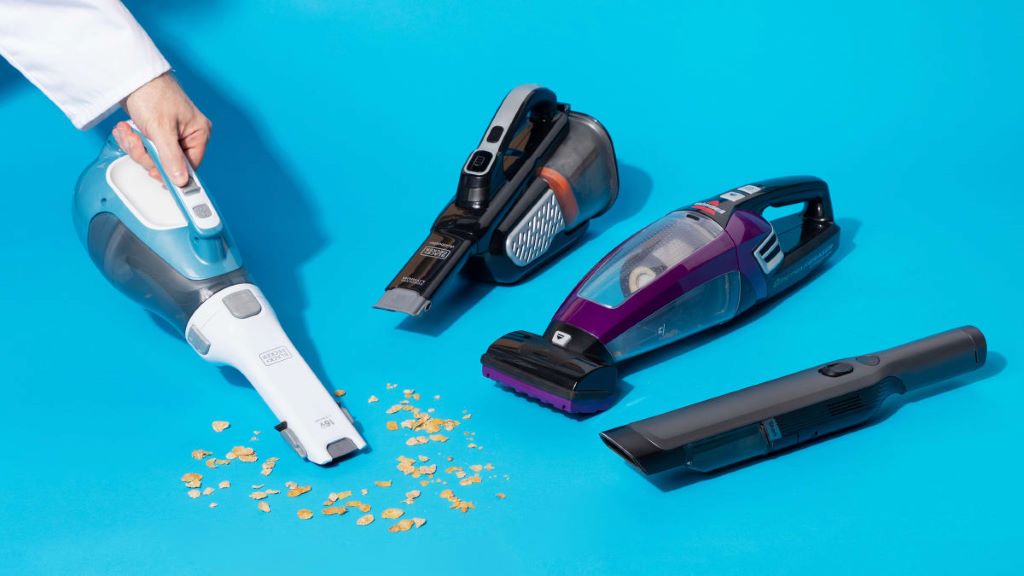
Designed specifically for cleaning vehicles, car vacuums are compact and often come with specialized attachments like crevice tools and brushes. They’re usually powered by your car’s 12V outlet or rechargeable batteries. The Black+Decker Dustbuster and Armor All AA255 are popular choices for car owners.
Wet/Dry Handheld Vacuums
Wet/dry vacuums can handle both liquid spills and dry debris. They’re ideal for kitchens, workshops, or garages where messes can be varied. These vacuums often have larger bins and more powerful suction but may be heavier than standard models. The Bissell Garage Pro is a great example of a wet/dry handheld vacuum.
Pet-Specific Handheld Vacuums
If you have pets, look for vacuums designed to tackle pet hair. These often feature motorized brush rolls, specialized upholstery tools, and strong suction. The Bissell Pet Hair Eraser and Dyson V7 Animal are top picks for pet owners.
How to Choose the Right Handheld Vacuum for Your Needs
For Pet Owners
If you have pets, prioritize suction power and specialized attachments. A motorized brush roll is essential for removing embedded pet hair from carpets and upholstery. Look for vacuums with HEPA filtration to capture dander and allergens.
For Parents
Parents need a vacuum that’s easy to use and quick to charge. Lightweight models with simple, one-touch emptying are ideal. Consider a vacuum with a crevice tool for cleaning car seats and a washable filter to save on replacements.
For Car Owners
Car owners should look for compact, portable vacuums with long crevice tools and upholstery brushes. A 12V car adapter is a bonus for on-the-go cleaning. The Black+Decker Dustbuster Handheld Vacuum is a favorite for its portability and strong suction.
For Small Spaces
If you live in an apartment or have limited storage, choose a slim, lightweight vacuum that’s easy to store. Wall-mounted charging stations can save space and keep your vacuum ready to use.
For Allergy Sufferers
Allergy sufferers should prioritize HEPA filtration and sealed systems that trap dust and allergens. Vacuums with washable filters and easy-to-empty bins are also helpful for maintaining clean air quality.
How to Use and Maintain Your Handheld Vacuum
Using Your Vacuum
- Charge fully before first use: This ensures maximum battery life and performance.
- Start with the right attachment: Use the crevice tool for tight spaces, the upholstery brush for furniture, and the motorized brush for carpets.
- Work in sections: Focus on one area at a time for thorough cleaning.
- Empty the bin regularly: A full bin reduces suction power and can clog the vacuum.
Maintaining Your Vacuum
- Clean the filter: Wash or replace the filter according to the manufacturer’s instructions. A clogged filter reduces suction and can damage the motor.
- Check for blockages: Remove any debris stuck in the hose or nozzle. Use a straightened paperclip or the vacuum’s cleaning tool to clear clogs.
- Store properly: Keep your vacuum in a dry, cool place. If it’s cordless, store it on the charging dock to ensure it’s always ready to use.
- Inspect attachments: Clean attachments regularly to remove hair and debris. This keeps them working efficiently.
FAQs About Handheld Vacuums
How long do handheld vacuums last?
The lifespan of a handheld vacuum depends on usage and maintenance. With proper care, a quality vacuum can last 3–5 years. Battery life may decrease over time, especially in cordless models.
Can I use a handheld vacuum on carpets?
Yes, but performance varies. Handheld vacuums with motorized brush rolls work best on carpets. For deep cleaning, a full-sized vacuum is more effective.
Are handheld vacuums good for pet hair?
Yes, especially models designed for pet hair. Look for strong suction, motorized brushes, and specialized attachments like upholstery tools.
How often should I empty the dustbin?
Empty the dustbin after every use or when it’s half full. This maintains suction power and prevents clogs.
Can I use a handheld vacuum for liquids?
Only if it’s a wet/dry model. Standard handheld vacuums are for dry debris only. Using them on liquids can damage the motor and void the warranty.
Conclusion
Selecting the best handheld vacuum for quick and easy cleanups can transform your daily routine. By focusing on suction power, battery life, weight, and attachments, you can find a model that fits your lifestyle perfectly.
A good handheld vacuum makes messes manageable, saving you time and effort. Whether you’re a pet owner, parent, or car enthusiast, there’s a handheld vacuum out there for you. Share your favorite cleaning tips or ask questions in the comments below—let’s make cleaning easier together!