If you’re a pet owner in Texas, you know the struggle of keeping your home free from pet hair. Whether you have a shedding Labrador, a fluffy Persian cat, or a playful Golden Retriever, pet hair seems to find its way into every corner of your home. The right vacuum can make all the difference in keeping your space clean and your sanity intact.
I remember the days when I spent hours sweeping and mopping, only to find pet hair clinging to my furniture and carpets minutes later. That all changed when I invested in a vacuum designed specifically for pet hair. The difference was night and day—my cleaning routine became faster, easier, and far more effective.
In this guide, I’ll share how to choose the best vacuum for pet hair and provide tips to make your cleaning routine a breeze.
Why Pet Hair is a Unique Cleaning Challenge
Pet hair isn’t like regular dust or dirt. It clings to fabrics, embeds itself in carpets, and seems to multiply no matter how often you clean. According to a study by the American Pet Products Association, over 65% of U.S. households own a pet, and pet hair is one of the most common cleaning challenges they face.
The issue is that pet hair is fine and often statically charged, which makes it stick to surfaces like upholstery, curtains, and even hardwood floors. Regular vacuums often struggle to pick it up, especially from deep within carpet fibers. That’s why you need a vacuum specifically designed for the job.
For more insights on tackling this issue, check out these pet hair cleaning tips. These tips can help you understand the best tools and techniques for removing pet hair efficiently.
However, not all vacuums are created equal when it comes to pet hair. Some lack the suction power or specialized attachments needed to lift hair from deep within carpets or upholstery. Therefore, choosing the right vacuum is the first step in winning the battle against pet hair.
Key Features to Look for in a Pet Hair Vacuum
When shopping for a vacuum to tackle pet hair, there are several key features to consider. First and foremost, suction power is critical. Look for a vacuum with strong suction, ideally measured in air watts or amps. According to Consumer Reports, vacuums with at least 100 air watts of suction are effective for picking up pet hair from carpets and upholstery.
Next, consider the type of filtration system. Pet hair and dander can trigger allergies, so a vacuum with a HEPA filter is a must. HEPA filters trap 99.97% of particles as small as 0.3 microns, including pet dander, dust mites, and pollen. This ensures that the air expelled from the vacuum is cleaner than the air it sucks in.
Another important feature is the brush roll. Vacuums with motorized brush rolls are more effective at lifting pet hair from carpets. Some models even have specialized brush rolls designed specifically for pet hair, with rubber or silicone bristles that prevent hair from tangling around the roll.
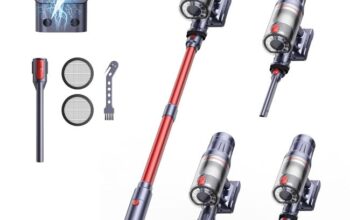
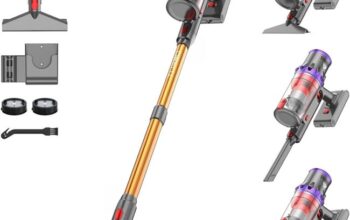
Additionally, look for a vacuum with versatile attachments. A crevice tool, upholstery tool, and pet hair brush can help you clean hard-to-reach areas like stairs, furniture, and car interiors. Some vacuums even come with a mini motorized tool for lifting hair from upholstery.
Upright vs. Canister vs. Cordless: Which is Best for Pet Hair?
The type of vacuum you choose can also impact its effectiveness in removing pet hair. Each type has its pros and cons, so it’s important to consider your specific needs.
Upright vacuums are a popular choice for pet owners because they typically offer strong suction and large capacity. They’re also easy to maneuver, making them ideal for cleaning large areas like living rooms and bedrooms. However, they can be heavy and less versatile for cleaning stairs or upholstery.
Canister vacuums, on the other hand, are more lightweight and maneuverable. They’re great for cleaning stairs, curtains, and furniture, thanks to their long hoses and versatile attachments. However, they may not offer the same level of suction as upright vacuums, and their smaller dustbins require more frequent emptying.
Cordless vacuums are another option, offering the convenience of portability and ease of use. They’re perfect for quick cleanups and small spaces, but their runtime may be limited, and they may not have the same suction power as corded models. However, advances in battery technology have made cordless vacuums a viable option for pet owners.
According to Good Housekeeping, the best vacuum for pet hair depends on your specific needs and the layout of your home. If you have mostly carpets, an upright vacuum with strong suction and a motorized brush roll is a great choice. If you have a mix of carpets and hard floors, a canister vacuum with versatile attachments may be more suitable.

The Role of Brush Rolls and Attachments
The brush roll is one of the most important components of a vacuum when it comes to removing pet hair. A motorized brush roll agitate the carpet fibers, loosening embedded pet hair and making it easier for the vacuum to suck it up. Some vacuums even have adjustable brush rolls, allowing you to turn them off for hard floors to prevent scattering debris.
However, pet hair can often get tangled around the brush roll, reducing its effectiveness and even damaging the vacuum. To combat this, some manufacturers have introduced tangle-free brush rolls. These brush rolls use rubber or silicone bristles that prevent hair from wrapping around them, making maintenance easier and extending the life of your vacuum.
Attachments also play a crucial role in removing pet hair from various surfaces. A crevice tool is perfect for cleaning tight spaces like baseboards and between couch cushions. An upholstery tool helps lift hair from furniture, while a pet hair brush is designed specifically for removing hair from upholstery and car interiors.
Some vacuums even come with a mini motorized tool, which is a small, powered brush roll that attaches to the hose. This tool is incredibly effective for lifting hair from upholstery, stairs, and other fabric surfaces.
How Often Should You Vacuum Pet Hair?
The frequency of vacuuming depends on several factors, including the number of pets you have, their shedding patterns, and the type of flooring in your home. As a general rule, pet owners should vacuum at least 2-3 times a week to keep pet hair under control. However, during shedding season, you may need to vacuum daily.
According to the American Kennel Club, dogs and cats shed more during the spring and fall as they transition between their winter and summer coats. During these times, regular vacuuming is essential to prevent pet hair from building up and becoming more difficult to remove.
In addition to regular vacuuming, it’s also important to groom your pets regularly. Brushing your pet 2-3 times a week can significantly reduce the amount of hair they shed. This not only keeps your home cleaner but also promotes a healthy coat and reduces the risk of matting.
Finally, consider using a robot vacuum to supplement your cleaning routine. Robot vacuums can run daily, keeping pet hair under control between deeper cleaning sessions. Some models are even designed specifically for pet hair, with strong suction and tangle-free brush rolls.
Tips for Maintaining Your Vacuum for Optimal Performance
To keep your vacuum running at peak performance, regular maintenance is key. First and foremost, empty the dustbin after each use. Pet hair can quickly fill up the dustbin, reducing suction power and making the vacuum less effective. Additionally, a full dustbin can cause the motor to overheat, potentially damaging the vacuum.
Next, clean or replace the filters regularly. HEPA filters should be replaced every 6-12 months, depending on usage. Some vacuums have washable filters that can be rinsed and reused. Always check the manufacturer’s instructions for specific maintenance guidelines.
The brush roll also requires regular attention. Pet hair can wrap around the brush roll, reducing its effectiveness and even causing the motor to overheat. To prevent this, clean the brush roll after each use, removing any tangled hair or debris. Some vacuums have self-cleaning brush rolls that make this process easier.
Additionally, check the hoses and attachments for clogs. Pet hair can accumulate in these areas, reducing suction power and making the vacuum less effective. Use a broom handle or a long, flexible brush to clear any blockages.
DIY Solutions for Stubborn Pet Hair
Even with the best vacuum, you may encounter stubborn pet hair that refuses to budge. Fortunately, there are several DIY solutions you can try. One of the most effective is using a rubber glove. Simply put on a rubber glove and run your hand over upholstery or carpets. The static electricity generated by the glove will lift the hair, making it easier to vacuum up.
Another trick is to use a damp sponge or mop. Lightly dampen a sponge or mop and run it over the surface to pick up pet hair. This works especially well on hard floors and upholstery. However, be sure to wring out the sponge or mop thoroughly to avoid soaking the surface.
For carpets, try sprinkling baking soda over the area and letting it sit for 15-20 minutes before vacuuming. The baking soda helps loosen embedded pet hair, making it easier for the vacuum to pick up. Additionally, baking soda deodorizes, leaving your carpets smelling fresh.
Finally, consider using a lint roller or packing tape for quick touch-ups. These tools are great for removing pet hair from clothing, furniture, and car interiors. Simply roll the lint roller or press the packing tape over the surface to pick up hair.
Conclusion
Removing pet hair faster with the right vacuum in Texas doesn’t have to be a daunting task. By choosing a vacuum with strong suction, a HEPA filter, and specialized brush rolls, you can make your cleaning routine more efficient and effective. Regular maintenance and a few DIY tricks can also help keep pet hair under control.
I’ve put these tips to the test in my own home, and the results have been amazing. My carpets and furniture stay cleaner for longer, and I spend less time struggling with stubborn pet hair. With the right tools and techniques, you can enjoy a cleaner home and more time with your furry friends.
Now it’s your turn. Try implementing these tips and see how much easier it is to keep your home free from pet hair. If you have your own tricks or experiences, share them in the comments below. And if you found this guide helpful, don’t forget to share it with your fellow pet owners!
FAQs
What is the best type of vacuum for pet hair?
The best type of vacuum for pet hair depends on your specific needs. Upright vacuums offer strong suction and are great for carpets, while canister vacuums are more versatile for cleaning stairs and upholstery. Cordless vacuums offer convenience and portability.
How often should I vacuum pet hair?
Pet owners should vacuum at least 2-3 times a week to keep pet hair under control. During shedding season, daily vacuuming may be necessary. Regular grooming of your pets can also help reduce shedding.
What features should I look for in a pet hair vacuum?
Look for a vacuum with strong suction, a HEPA filter, a motorized brush roll, and versatile attachments. These features will help you effectively remove pet hair from carpets, upholstery, and other surfaces.
How do I prevent pet hair from tangling in the brush roll?
To prevent pet hair from tangling in the brush roll, choose a vacuum with a tangle-free brush roll. These brush rolls use rubber or silicone bristles that prevent hair from wrapping around them. Regularly cleaning the brush roll can also help.
Can a robot vacuum handle pet hair?
Yes, many robot vacuums are designed to handle pet hair. Look for a model with strong suction, a tangle-free brush roll, and a large dustbin. Some robot vacuums even have specialized features for pet hair, like self-cleaning brush rolls and HEPA filters.