Hardwood floors add warmth and value to any home, but they also demand careful cleaning. In fact, studies from the National Wood Flooring Association show that improper cleaning tools are one of the top causes of surface scratches and finish damage. At the same time, the U.S. Environmental Protection Agency reports that indoor dust levels can be two to five times higher than outdoor levels, which makes regular vacuuming essential. Choosing the right vacuum cleaner for hardwood floors is not just about cleaning power. It is about protecting your investment while keeping your space healthy. This guide breaks everything down in simple terms so you can make a smart and safe choice.
Why Hardwood Floors Need Special Care
Hardwood is durable, but it is not indestructible. Unlike carpets, it shows scratches, dents, and dust more clearly. Therefore, the wrong vacuum can do more harm than good.
Key Risks of Using the Wrong Vacuum
- Scratches from stiff bristles
- Damage from rotating brush rolls
- Loss of shine due to abrasive debris
- Gaps collecting dust if suction is too weak
Because of these risks, you must choose a vacuum designed for delicate surfaces.

Types of Vacuum Cleaners for Hardwood Floors
Understanding different vacuum types helps you narrow your options quickly.
Upright Vacuums
Upright vacuums offer strong suction and wide cleaning paths. However, many models come with aggressive brush rolls.
Best use cases:
- Large spaces
- Mixed flooring homes
Tip: Always choose models with a brush roll shut off feature.
Canister Vacuums
Canister vacuums provide better control and flexibility. They are often safer for hardwood floors.
Advantages:
- Lightweight cleaning head
- Gentle attachments
- Better reach under furniture
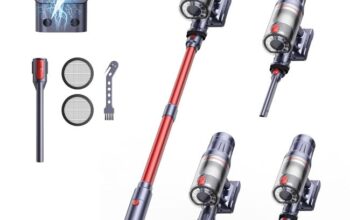
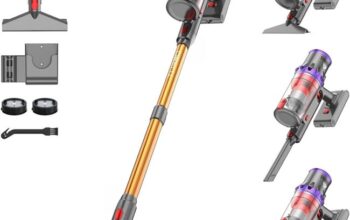
Stick Vacuums
Stick vacuums are compact and easy to handle. They are ideal for quick cleaning sessions.
Benefits:
- Easy storage
- Cordless convenience
- Soft roller options available
Robot Vacuums
Robot vacuums work well for daily maintenance. However, they are not a replacement for deep cleaning.
Good for:
- Dust control
- Busy lifestyles
Features to Look for in a Hardwood Floor Vacuum
Choosing the right features makes a significant difference in performance and safety.
1. Soft Brush Roll or No Brush
A soft roller prevents scratches and gently lifts debris.
2. Adjustable Suction Power
Too much suction can damage finishes. Adjustable settings give better control.
3. Rubber Wheels
Rubber coated wheels prevent marks and protect surfaces.
4. HEPA Filtration
This feature improves indoor air quality by trapping fine dust particles.
5. Lightweight Design
A lighter vacuum reduces strain and makes maneuvering easier.
Attachments That Make Cleaning Safer
Attachments are often overlooked, yet they add precision and safety.
Must Have Attachments
- Soft dusting brush
- Crevice tool
- Hardwood floor head
These tools allow you to clean corners and edges without damage.
Common Mistakes to Avoid
Many people unknowingly damage their floors while trying to clean them.
Mistakes to Watch Out For
- Using a vacuum with a rotating brush on
- Skipping regular cleaning, which allows debris buildup
- Dragging the vacuum instead of lifting it
- Ignoring wheel material and design
Avoiding these mistakes extends the life of your flooring.
How to Match a Vacuum to Your Lifestyle
Your lifestyle plays a big role in selecting the right vacuum.
If You Have Pets
Look for strong suction and anti hair wrap technology. Pet hair can easily settle into floor gaps.
If You Have Kids
Choose a lightweight and easy to use vacuum for quick cleanups.
If You Live in a Small Space
Stick or compact vacuums work best due to storage convenience.
If You Have Large Areas
Canister or upright vacuums with wide cleaning heads save time.
Maintenance Tips for Hardwood Floor Vacuums
Even the best vacuum needs proper care to stay effective.
Simple Maintenance Steps
- Clean filters regularly
- Remove tangled debris from brushes
- Check wheels for dirt buildup
- Empty dust bins frequently
Proper maintenance improves performance and prevents accidental damage.
How Often Should You Vacuum Hardwood Floors
Cleaning frequency depends on your environment.
General Guidelines
- High traffic areas: Daily or every other day
- Moderate use: Two to three times per week
- Low traffic: Once a week
Consistent cleaning prevents dirt from acting like sandpaper on your floors.
Expert Insights and Real World Example
A case study from a home cleaning research group found that homes using soft roller vacuums reduced visible floor scratches by over 40 percent within six months. This shows that the right tool does not just clean better. It protects your flooring long term.
Additionally, flooring experts recommend avoiding vacuums with fixed brush rolls. Flexibility is key to safe cleaning.
Step by Step Guide to Choosing the Right Vacuum
Follow this simple process to make the best choice.
- Identify your floor type and finish
- Decide on vacuum type based on space
- Check for soft brush or brush roll control
- Look for adjustable suction settings
- Review attachments and accessories
- Test weight and ease of use
This structured approach reduces confusion and helps you choose confidently.
Conclusion
Choosing the right vacuum cleaner for hardwood floors is not complicated when you focus on the right factors. Prioritize gentle cleaning, adjustable features, and practical usability. Avoid harsh brushes and always consider your daily needs. With the right vacuum, you protect your floors while keeping your home clean and healthy. Take a moment to evaluate your current vacuum. If it risks damaging your floors, it is time to upgrade to a safer option.
FAQs
How do I know if a vacuum is safe for hardwood floors?
Check for soft brush rolls, adjustable suction, and rubber wheels. These features protect surfaces from scratches.
Can I use a regular vacuum on hardwood floors?
Yes, but only if it has a brush roll shut off feature and gentle attachments.
Are robot vacuums safe for hardwood floors?
Most modern robot vacuums are safe, especially those designed with soft brushes and sensors.
What is the best cleaning pattern for hardwood floors?
Vacuum along the grain of the wood to reduce visible streaks and improve cleaning efficiency.
How can I prevent scratches while vacuuming?
Use proper attachments, avoid dragging the vacuum, and clean regularly to remove abrasive debris.