Tile floors look clean and modern, yet they can lose their shine if you use the wrong cleaning tool. Many homeowners assume any vacuum will work, but that often leads to scratches, dull finishes, or grout damage. According to the U.S. Environmental Protection Agency, indoor floors can hold up to 40 percent of household dust, which makes proper cleaning essential. At the same time, research from the American Cleaning Institute shows that incorrect cleaning methods can reduce surface lifespan. So, choosing the right vacuum cleaner for tile floors is not just about cleanliness. It is about protecting your investment while keeping your home healthy.
Why Tile Floors Need Special Care
Tile surfaces may look tough, but they are more delicate than most people think. Ceramic and porcelain tiles resist moisture well, yet their finish can scratch under rough brush rolls. Natural stone tiles such as marble or slate are even more sensitive and require gentle cleaning tools.
Moreover, grout lines collect dirt quickly. A vacuum with strong suction but poor control can pull debris across tiles and wear down grout over time. Therefore, selecting the right vacuum is not optional. It directly impacts both appearance and durability.

Key Features to Look for in a Vacuum Cleaner for Tile Floors
Suction Power with Control
Strong suction helps remove dust, pet hair, and fine debris. However, too much uncontrolled suction can drag particles across the surface. Look for adjustable suction settings so you can clean effectively without risking scratches.
In addition, consistent suction ensures that dirt does not remain trapped in grout lines. This is especially important in high traffic areas like kitchens and entryways.
Soft Brush Roll or Brushless Design
A vacuum with a soft brush roll protects tile finishes. Hard or stiff bristles can leave visible marks over time. Some models offer a brushless option, which works well for tile floors since it relies on suction instead of agitation.
Soft rollers also help capture fine dust more efficiently. As a result, your floors stay cleaner with less effort.
Rubber Wheels and Protective Padding
Many people overlook wheels, yet they play a big role in surface safety. Hard plastic wheels can scratch tiles, especially on glossy finishes. Choose a vacuum with rubber coated wheels and smooth movement.
Protective padding around the base also prevents accidental bumps. This feature becomes useful when cleaning tight corners or moving around furniture.
Lightweight and Easy Maneuverability
Tile floors often cover large open areas. A heavy vacuum can make cleaning tiring and less efficient. Lightweight models allow you to move quickly and reach every corner.
Swivel steering also improves control. It helps you avoid dragging debris and reduces the risk of surface damage.
Types of Vacuum Cleaners Suitable for Tile Floors
Upright Vacuums
Upright vacuums offer strong suction and wide cleaning paths. They work well for large tile areas. However, you should ensure they have a soft brush roll or a setting to turn it off.
These vacuums often include attachments for edges and grout cleaning. That makes them a practical choice for deep cleaning sessions.
Canister Vacuums
Canister vacuums provide excellent control and flexibility. They are ideal for delicate tile surfaces because you can adjust suction easily.
The separate hose and wand design allows precise cleaning. You can reach corners, grout lines, and under furniture without dragging the main unit.
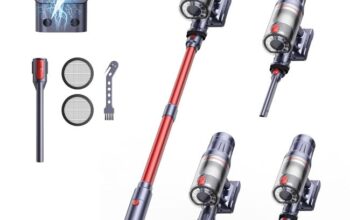
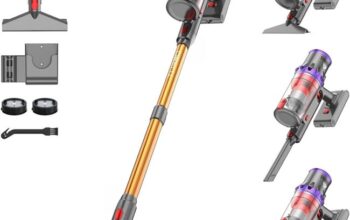
Stick Vacuums
Stick vacuums are lightweight and convenient for daily cleaning. They work best for quick cleanups rather than deep cleaning.
Many modern models offer strong suction and soft rollers. This combination makes them safe for tile floors while maintaining efficiency.
Robotic Vacuums
Robot vacuums save time and maintain cleanliness automatically. They are gentle on tile surfaces and work well for daily maintenance.
Still, they may struggle with heavy debris or deep grout cleaning. Therefore, they work best when paired with a traditional vacuum for occasional deep cleaning.
Common Mistakes That Damage Tile Floors
Using a Vacuum with Hard Bristles
Hard bristles may seem effective, yet they often scratch the tile surface. Over time, these scratches reduce shine and make cleaning harder.
Always check the brush type before using a vacuum on tile floors.
Ignoring Debris Before Vacuuming
Large debris can act like sandpaper when dragged across tiles. This can leave visible marks.
Before vacuuming, pick up larger particles manually. This simple step protects your flooring.
Using High Power on Delicate Tiles
High suction can pull debris aggressively across the surface. This increases the risk of scratches and grout wear.
Instead, use moderate suction and increase it only when necessary.
How to Maintain Tile Floors While Vacuuming
Clean Regularly but Gently
Frequent cleaning prevents dirt buildup. However, gentle cleaning ensures your tiles remain in good condition.
Daily or weekly vacuuming with proper settings works best for most homes.
Use Attachments for Grout Lines
Grout lines require special attention. Use narrow attachments to clean these areas effectively without damaging surrounding tiles.
This method removes hidden dirt and improves overall hygiene.
Combine Vacuuming with Mopping
Vacuuming removes dry debris, while mopping eliminates residue. Together, they provide a complete cleaning solution.
Always vacuum first to avoid spreading dirt during mopping.
Real Life Example: Choosing the Right Vacuum
Consider a household with pets and kids. Pet hair, crumbs, and dust accumulate quickly on tile floors. A lightweight stick vacuum with adjustable suction and a soft roller can handle daily cleaning.
For deeper cleaning, a canister vacuum with grout attachments works better. This combination ensures both convenience and thoroughness without damaging surfaces.
Tips for Long Term Tile Floor Protection
- Choose vacuums with adjustable settings for different surfaces
- Avoid dragging heavy equipment across tiles
- Clean spills immediately to prevent stains
- Inspect wheels and brushes regularly for wear
- Store your vacuum properly to maintain performance
These habits help extend the life of your tile floors while keeping them looking new.
Conclusion
Choosing the best vacuum cleaner for tile floors is not complicated when you focus on the right features. Prioritize soft brushes, controlled suction, and smooth movement. Avoid common mistakes that lead to scratches and dull surfaces.
With the right vacuum and proper cleaning habits, you can protect your tile floors for years. Take time to evaluate your needs and invest in a tool that balances power and care. Start using these tips today and keep your floors spotless without damage.
FAQs
What type of vacuum is safest for tile floors
A vacuum with a soft brush roll or no brush at all is safest. It prevents scratches and maintains the tile finish.
Can vacuum cleaners damage tile floors
Yes, improper vacuums with hard bristles or strong uncontrolled suction can scratch tiles and wear down grout.
How often should I vacuum tile floors
You should vacuum at least once or twice a week. High traffic areas may need daily cleaning.
Is a robot vacuum good for tile floors
Robot vacuums work well for daily maintenance. However, they should be combined with a traditional vacuum for deep cleaning.
Should I turn off the brush roll on tile floors
Yes, turning off the brush roll reduces the risk of scratches and protects delicate surfaces.