Operating the Kokido Cordless Pool Vacuum is simple when you fully charge the battery, assemble the unit, and move it slowly across the pool floor. Following the correct cleaning pattern and maintenance routine improves suction performance while extending the vacuum’s lifespan.
Keeping a swimming pool clean improves water quality and reduces equipment wear over time. Studies show proper pool maintenance can lower chemical consumption by up to 30%. Additionally, regular debris removal helps filtration systems operate more efficiently. If you want another handheld cleaning option, explore the Kokido Cordless Handheld Pool Vacuum for additional cleaning solutions.
What Is a Kokido Cordless Pool Vacuum?
A Kokido Cordless Pool Vacuum is a rechargeable cleaner designed for removing leaves, sand, insects, and small debris. It works without hoses or external pumps, making routine cleaning faster and easier.
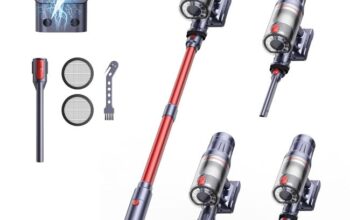
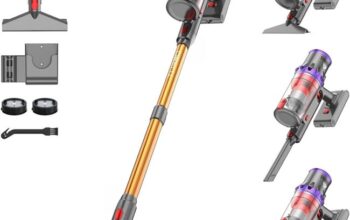
Most models include a rechargeable battery, reusable filter bag, interchangeable cleaning heads, and a telescopic pole connection. Therefore, they work well for above ground pools, spas, and many in ground pools.

How the Vacuum Works
The vacuum uses an internal electric motor to create suction inside the cleaning head. As a result, debris moves through the intake and collects inside the removable filter compartment.
Because the unit operates independently, it does not rely on your pool’s filtration system. Consequently, setup remains quick without connecting long hoses.
Before You Start
Charge the Battery Completely
Charge the battery using the supplied charger before the first cleaning session. A complete charge usually provides enough runtime for routine pool maintenance.
Always disconnect the charger after charging finishes to protect battery life. Furthermore, store the charger in a dry indoor location.
Inspect the Vacuum
Check that the filter bag sits correctly inside the collection chamber. Also inspect the seals and locking clips before placing the vacuum into water.
Remove any leftover debris from previous cleaning sessions before beginning again. This simple habit helps maintain strong suction performance.
How to Operate the Kokido Cordless Pool Vacuum
Step 1: Assemble the Vacuum
Attach the desired cleaning head according to your pool surface and debris type. Next, connect the telescopic pole if your model supports one.
Confirm every attachment locks firmly into place before submerging the cleaner. Loose parts may reduce cleaning efficiency during operation.
Step 2: Submerge the Unit
Slowly lower the vacuum completely beneath the water surface before switching it on. This process helps remove trapped air from the cleaning chamber.
Keep the vacuum underwater during operation because running it dry may damage internal components. Always follow manufacturer recommendations.
Step 3: Turn On the Power
Press the power button after the vacuum remains fully submerged. The motor should begin producing steady suction immediately.
If suction seems weak, inspect the filter chamber before continuing. Clogged filters commonly reduce cleaning performance.
Step 4: Clean Methodically
Move the vacuum slowly across the pool floor using overlapping passes. Consequently, every section receives consistent cleaning without missing debris.
Continue cleaning walls carefully if your model supports vertical surfaces. Gentle upward movements usually produce the best results.
Step 5: Empty the Debris Chamber
Turn the vacuum off before removing it from the pool. Then open the collection chamber and empty accumulated debris.
Rinse the filter thoroughly using clean water after every cleaning session. Regular maintenance keeps suction strong during future use.
Best Cleaning Practices
- Vacuum the pool before adding fresh chemicals.
- Move slowly instead of rushing across the pool.
- Overlap each cleaning pass slightly.
- Empty the filter before it becomes completely full.
- Charge the battery after every cleaning session.
- Store the vacuum indoors after drying completely.
Common Mistakes to Avoid
Many owners expect cordless vacuums to replace full pool filtration systems completely. However, they work best alongside regular filtration and water treatment.
Avoid operating the vacuum above the water surface while powered on. Likewise, never store the battery completely discharged for extended periods.
Ignoring filter maintenance often causes weaker suction and shorter cleaning sessions. Therefore, clean every removable component after each use.
Cleaning Different Pool Areas
Pool Floor
Begin at the shallow end before gradually moving toward deeper sections. This pattern prevents debris from spreading across cleaned surfaces.
Pool Steps
Clean each step individually using slow overlapping movements. Smaller cleaning heads often provide better control around corners.
Spa Areas
Use gentle motions inside spas because tighter spaces collect concentrated debris. Smaller attachments usually improve cleaning precision.
Battery Care Tips
Recharge the battery soon after every cleaning session for consistent performance. Additionally, avoid exposing batteries to excessive heat during storage.
If you will not use the vacuum for several months, partially charge the battery first. This practice supports healthier long term battery performance.
How Often Should You Vacuum?
Most residential pools benefit from vacuuming once or twice each week. Heavy leaf fall or frequent swimming may require additional cleaning sessions.
Storms, windy conditions, and nearby trees increase debris accumulation significantly. Therefore, inspect your pool regularly before problems become larger.
Troubleshooting Common Problems
Weak Suction
Check the filter bag for blockages before assuming mechanical failure. Cleaning the filter usually restores normal suction quickly.
Short Battery Runtime
Recharge the battery completely using the original charger before every session. Older batteries naturally provide shorter operating times after years of use.
Vacuum Will Not Start
Confirm the battery installs correctly and holds sufficient charge. Also inspect the power switch for dirt or physical damage.
Debris Escapes Back Into the Pool
Inspect the filter compartment for proper installation before cleaning again. Damaged seals may also reduce debris retention.
Routine Maintenance Checklist
- Rinse the filter after every use.
- Remove leaves from the intake opening.
- Dry the vacuum before storage.
- Recharge the battery fully.
- Inspect seals and locking clips monthly.
- Replace worn filters when necessary.
Conclusion
Learning how to operate the Kokido Cordless Pool Vacuum takes only a few minutes with the proper preparation. Regular cleaning, battery care, and filter maintenance deliver reliable performance throughout every swimming season.
Start following these operating steps during your next pool cleaning session and maintain a cleaner pool with less effort. Consistent maintenance also helps your vacuum perform efficiently for many years.
FAQs
How long should I charge the Kokido Cordless Pool Vacuum?
Charge it fully according to the manufacturer’s instructions before each cleaning session.
Can I use the vacuum on pool walls?
Yes, many models can clean walls when used with slow upward movements.
How often should I clean the filter?
Clean the filter after every use for the best suction performance.
Can I leave the vacuum inside the pool?
No, remove, rinse, dry, and store it after every cleaning session.
Why is my vacuum losing suction?
A clogged filter or full debris chamber usually causes reduced suction.