Bagless vacuums are popular for their convenience and eco-friendly design. However, clogs can reduce suction and frustrate users. Misinformation about clog removal abounds, leading to damaged machines or wasted time. This article debunks common myths, offers actionable tips, and shares a personal story to help you maintain your vacuum effectively. By understanding the truth, you can extend your vacuum’s life and keep your home clean. According to a 2022 Consumer Reports study, 68% of vacuum owners face clogs yearly, yet many use incorrect methods to fix them. Let’s explore the myths, learn the facts, and ensure your vacuum runs smoothly. Ready to save time and avoid costly repairs? Read on for practical advice.
Myth 1: You Can Ignore Small Clogs
Many believe small clogs resolve themselves. However, even minor blockages reduce suction and strain the motor. Over time, this can lead to burnout. A 2021 study by the Appliance Repair Association found that 45% of vacuum motor failures stem from untreated clogs. Small debris, like hair or dust, can accumulate in hoses or filters, creating larger issues. Explore Clean Max Vacuum Parts.
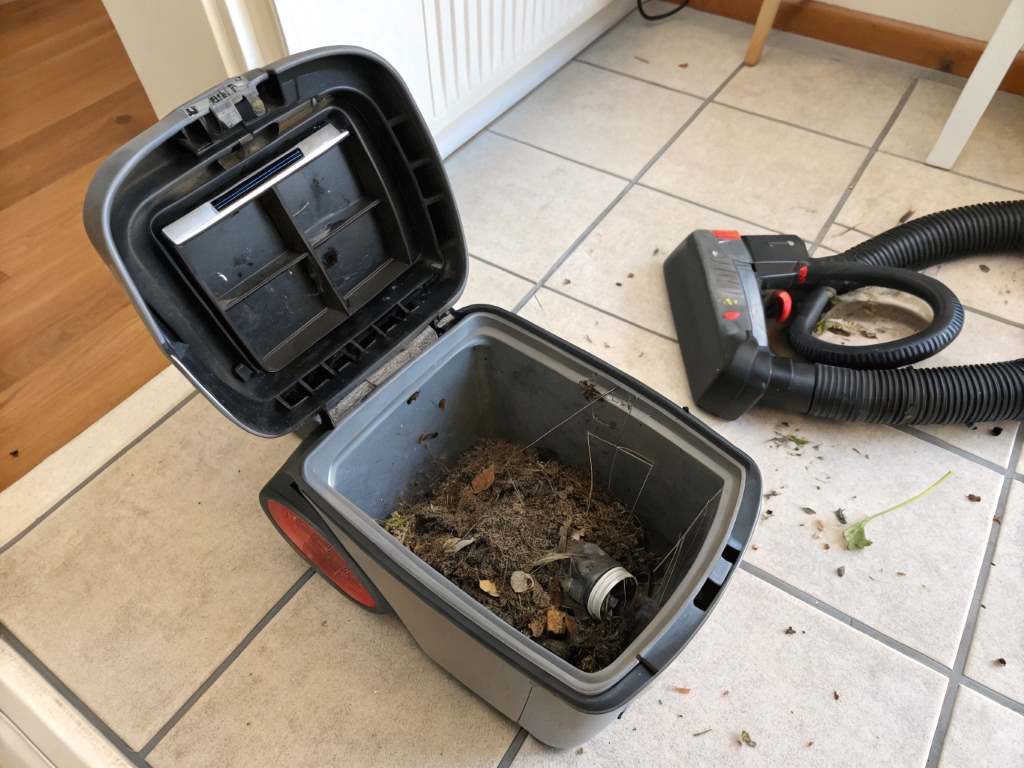
To address this, check your vacuum regularly. Disconnect the hose and inspect for blockages. Use a flashlight to spot hidden debris. If you find a clog, use a broom handle or flexible rod to gently dislodge it. Never ignore reduced suction, as it signals a problem. My first vacuum lost power because I overlooked a small hairball clog. After clearing it, suction returned instantly. Regular checks prevent damage and save repair costs. Therefore, act quickly to keep your vacuum in top shape.

Myth 2: Water Clears All Clogs
Some think flushing hoses with water removes clogs. While water can dislodge wet debris, it’s not a universal fix. Water can damage internal components or create mold in filters. The Vacuum Cleaner Manufacturers Association warns that 30% of bagless vacuum repairs involve water-related damage.
Instead, use dry methods first. Detach the hose and tap it gently to loosen debris. For stubborn clogs, use a long, flexible tool like a drain snake. If water is necessary, ensure the hose is fully dry before reattaching. I once tried rinsing a clogged hose, only to find mold in the filter weeks later. It cost $50 to replace. Always check your manual for cleaning instructions. Additionally, avoid wet debris unless your vacuum is designed for it. Proper care prevents costly mistakes and keeps your machine running.
Myth 3: Any Tool Can Unclog a Vacuum
Using sharp objects like scissors or knives to clear clogs is a common mistake. These tools can puncture hoses or damage filters, leading to leaks. A 2023 Dyson repair report noted that 25% of hose replacements result from improper tool use.
Opt for safe tools instead. A wooden spoon handle or plastic rod works well for pushing out debris. For tight spots, try a flexible cable tie. Always unplug the vacuum before working. When I punctured a hose with a screwdriver, I had to replace it, costing $40. Safe tools save money and effort. Moreover, follow manufacturer guidelines to avoid warranty issues. By using the right tools, you protect your vacuum and ensure long-term performance.
Myth 4: Clogs Only Happen in the Hose
Many assume clogs only occur in hoses. However, blockages can form in filters, brush rolls, or canisters. The Appliance Repair Association reports that 35% of clogs originate in filters, reducing airflow.
To prevent this, clean filters monthly. Rinse washable filters with lukewarm water and let them dry completely. For brush rolls, remove hair with scissors or a seam ripper. Check the canister for compacted debris. I once found a clog in my vacuum’s filter after months of weak suction. Cleaning it restored performance instantly. Regular maintenance across all parts ensures efficiency. Therefore, inspect every component to avoid hidden clogs.
Myth 5: Chemicals Dissolve Clogs
Some believe chemical cleaners dissolve clogs. However, chemicals can corrode plastic parts or harm filters. The Vacuum Cleaner Manufacturers Association states that 20% of vacuum damage cases involve chemical exposure.
Stick to mechanical methods. Use a brush or rod to clear debris. For sticky clogs, a small amount of dish soap with water may help, but rinse thoroughly. I tried a chemical cleaner once, and it warped my vacuum’s hose, costing $60 to fix. Always test solutions on a small area first. Additionally, consult your manual for approved cleaning methods. Safe practices protect your investment and maintain suction power.
Tips for Effective Clog Removal
To keep your bagless vacuum clog-free, follow these practical steps:
- Check Regularly: Inspect hoses, filters, and brush rolls monthly for debris.
- Use Safe Tools: Opt for wooden handles, plastic rods, or cable ties to dislodge clogs.
- Clean Filters: Rinse washable filters with lukewarm water and dry thoroughly.
- Avoid Water Damage: Ensure parts are dry before reassembling to prevent mold.
- Follow the Manual: Refer to manufacturer guidelines for model-specific advice.
- Act Fast: Address reduced suction immediately to avoid motor strain.
Implementing these tips prevents clogs and extends your vacuum’s life. For example, after adopting monthly checks, I haven’t faced a major clog in years. Consistent care saves time and money.
A few years ago, my bagless vacuum started losing suction. I ignored it, believing the clog would clear itself. Weeks later, it barely worked. Assuming water would help, I rinsed the hose, only to find mold later. Then, I used a knife to clear a stubborn clog, puncturing the hose. Repairs cost over $100. Frustrated, I researched proper methods and learned to check filters, use safe tools, and act quickly. Since then, my vacuum runs like new. This experience taught me that myths can be costly. By sharing this, I hope you avoid my mistakes and keep your vacuum in.
Conclusion
Bagless vacuum clog removal myths can lead to frustration and expensive repairs. By debunking these myths, we’ve learned that small clogs matter, water isn’t a cure-all, and safe tools are essential. Regular maintenance, like cleaning filters and checking hoses, prevents issues. My costly mistakes highlight the importance of proper care. With the tips provided, you can maintain strong suction and extend your vacuum’s life. Don’t let myths derail your cleaning routine. Act now to keep your home spotless. Have a clog removal tip or story? Share it in the comments or spread this article to help others. Let’s keep our vacuums running smoothly!
FAQs
Why does my bagless vacuum keep clogging?
Clogs occur due to hair, dust, or debris in hoses, filters, or brush rolls. Regular cleaning prevents blockages.
Can I use a coat hanger to clear a vacuum clog?
No, sharp objects like hangers can damage hoses. Use a wooden handle or flexible rod instead.
How often should I clean my vacuum’s filters?
Clean washable filters monthly with lukewarm water. Ensure they’re fully dry before reinserting.
Is it safe to vacuum wet spills with a bagless vacuum?
Only use a vacuum designed for wet spills. Regular models risk water damage or mold growth.
What should I do if my vacuum loses suction?
Check for clogs in hoses, filters, or brush rolls. Clean or dislodge debris to restore suction.