Fireplaces bring warmth and charm to any home. But cleaning fireplace ash? That’s a chore most dread. Ash particles can scatter, creating a dusty mess in your living room. Done wrong, it risks fire hazards or damage to household vacuums. Done right, it’s simple, safe, and mess-free. This guide shows you how to clean fireplace ash without making a mess. According to the National Fire Protection Association (NFPA), improper ash disposal causes over 10,000 chimney fires annually. Safe ash removal protects your home and health. Let’s explore practical steps, tools, and tips to keep your fireplace clean and your home safe.
Why Cleaning Fireplace Ash Matters
Fireplace ash builds up fast. Left alone, it creates risks. Ash accumulation can block chimney drafts, leading to poor combustion air flow. Creosote buildups form, increasing chimney fire risks. Cleaning ash regularly maintains fireplace efficiency and safety. It also prevents ash particles from spreading into your home. A clean fireplace looks better and works better. Plus, proper ash removal lets you repurpose ash as a natural fertilizer for your garden. Follow these steps to clean safely and avoid a dusty disaster.
Tools You’ll Need for Mess-Free Ash Removal
Gather the right tools before starting. This ensures safe, efficient cleaning. Here’s what you need:
- Metal ash bucket: A sturdy, fireproof container for ash collection.
- Fireplace shovel: A small, durable shovel for scooping ash.
- Ash scoop: A specialized tool for precise ash removal.
- Stiff-bristled brush: Cleans fine ash from tight corners.
- Fireproof gloves: Protects hands from hot coals or sharp debris.
- Dust mask: Prevents inhaling ash particles.
- Damp towel: Traps dust during cleaning.
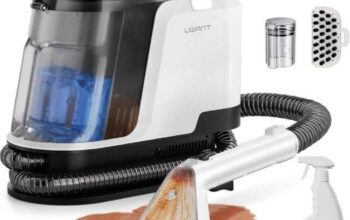
- Ash vacuum cleaner: Designed for safe ash removal without clogging.
- Metal garbage can: For safe ash disposal.
Having these tools ready makes cleaning easier and safer.
Step-by-Step Guide to Cleaning Fireplace Ash
Follow these steps for a clean, mess-free process. Each step keeps ash contained and your home spotless.

Step 1: Prepare Your Workspace
Start with a clear, safe area. Lay a damp towel around the fireplace base. This traps stray ash particles. Close glass doors if your fireplace has them. Wear fireproof gloves and a dust mask. Ensure the fire is fully out and coals are cold. Hot coals can ignite dry ash, posing a fire hazard. Check for embers by gently raking ash with a fireplace shovel. If unsure, wait 24 hours after the last fire. Open ash dump doors, if present, to access the ash trap.
Step 2: Scoop Ash Carefully
Use a fireplace shovel or ash scoop to remove ash. Work slowly to avoid stirring up dust. Place ash directly into a metal ash bucket. Avoid using household vacuums—they clog easily and may spread ash particles. If you have an ash vacuum, use it for finer ash. Keep the bucket close to minimize spills. Fill the bucket halfway to avoid overflow. For fire pits or wood stoves, use the same method but check for ash pans or traps specific to your setup.
Step 3: Clean Remaining Ash
Use a stiff-bristled brush to sweep leftover ash into piles. Scoop these into the metal ash bucket. For stubborn ash stuck to surfaces, dampen a cloth with water or a mild chemical solution like baking soda paste. Avoid harsh cleaners like muriatic acid, which can damage fireplace surfaces. If cleaning gas fireplaces or electric fireplaces, ensure the unit is off and cool. For glass beads or lava rocks in gas fire pits, remove and clean separately with a damp cloth.
Step 4: Dispose of Ash Safely
Never dump ash into a regular trash can. Ash may contain hot coals that ignite flammable materials. Transfer ash to a metal garbage can stored outside, away from your home. Follow local regulations for ash disposal—some areas require special handling. Alternatively, use cooled ash as a natural fertilizer for your garden. Sprinkle it lightly on soil to avoid over-alkalizing. Always check for hidden embers before disposal. NFPA Standard 211 recommends storing ash in metal containers for at least 48 hours.
Step 5: Clean the Fireplace Surfaces
Wipe down glass doors, ash pans, and surrounding areas with a damp towel. For concrete surfaces or decorative screens, use a mild cleaner to remove surface rust or soot. Avoid using a pressure washer, as it can damage delicate fireplace parts. If your fireplace has a chimney liner or chimney caps, inspect them for creosote buildups. Schedule a professional chimney sweep if needed. Companies like Atlanta Chimney Doctor or Chimney Champions offer professional-grade inspections for safety.
Step 6: Maintain Your Fireplace
Regular maintenance prevents ash buildup. Clean your fireplace after every 10–15 uses. Schedule a chimney sweep annually to remove creosote and ensure proper chimney draft. For gas fire pits or gas fireplaces, hire a gas technician to check for leaks. Pellet stoves and wood stoves need similar care. Check ash traps and loading doors for blockages. A clean fireplace runs efficiently, saving energy and reducing risks. Consider energy-saving equipment like insulated chimney liners for better performance.
Read Also:
- How to Clean Fireplace Ash Without Making a Mess
- How to Vacuum a High-Pile Shag Rug: A Step-by-Step Guide
- Eliminate Odors: Why Does Your Vacuum Cleaner Smell Bad & Simple Cleaning Hacks to Fix It
Tips for Avoiding a Mess
These tips keep ash contained and your living room clean:
- Use a damp towel: Traps dust before it spreads.
- Work slowly: Fast movements stir up ash particles.
- Close glass doors: Prevents ash from escaping into the room.
- Use an ash vacuum: Safely removes fine ash without clogging.
- Wear a dust mask: Protects your lungs from fine particles.
- Check local regulations: Ensures safe ash disposal.
These small steps make a big difference in keeping your home clean.
When to Call a Professional
Some tasks need expert help. Hire a chimney sweep for creosote buildups or chimney fires. Professional cleaning ensures safety and efficiency. For gas fireplaces, a gas technician checks for leaks or malfunctions. Companies like Atlanta Chimney Doctor offer reliable chimney services. If you’re in Jacksonville, FL, or similar areas, look for certified chimney sweepers. Professional-grade inspections catch issues early, preventing costly repairs. Always verify credentials before hiring.
Creative Uses for Fireplace Ash
Don’t toss ash too quickly—it has uses! Here are some ideas:
- Natural fertilizer: Adds nutrients to garden soil.
- Clean glass doors: Mix ash with water to scrub soot off glass.
- Neutralize odors: Sprinkle ash in trash cans to reduce smells.
- Polish metal: Use ash paste to clean surface rust from fireplace tools.
Always ensure ash is cold before repurposing. These uses add value to your cleanup efforts.
Fireplace Safety Tips
Safety comes first when cleaning ash. Follow these tips to protect your home:
- Wait for coals to cool: Hot coals can ignite dry materials.
- Use fireproof gloves: Prevents burns or cuts.
- Store ash safely: Use a metal garbage can, not plastic.
- Check chimney draft: Poor airflow signals creosote buildup.
- Follow NFPA Standard 211: Ensures safe fireplace maintenance.
These steps reduce fire hazards and keep your fireplace safe.
Spring Cleaning for Your Fireplace
Spring is perfect for deep cleaning. Remove all ash and soot. Inspect chimney liners and caps. Clean glass beads or lava rocks in gas fire pits. Check ash dump doors and ash pans for blockages. A thorough spring cleaning prepares your fireplace for next winter. It also gives you time to schedule professional chimney services before the busy season. A clean fireplace enhances your home’s look and safety.
Fireplace Design and Cleaning
Fireplace design affects cleaning ease. Glass doors contain ash better than open designs. Ash pans and ash dump doors simplify removal. Decorative screens add style but need regular cleaning. If redesigning, consult Kitchen & Bathroom Designers for custom solutions. A well-designed fireplace reduces ash mess and improves efficiency. Consider these features when upgrading your fireplace or fire pit.
Interesting Fact About Fireplace Ash
Did you know ash can act as a natural pest repellent? Sprinkling cooled ash around garden plants deters slugs and snails. This eco-friendly trick saves money and reuses waste. It’s a fun, unexpected benefit of fireplace ash cleanup. Try it in your garden for a chemical-free pest solution.
Conclusion
Cleaning fireplace ash doesn’t have to be messy. With the right tools—metal ash bucket, fireplace shovel, ash vacuum—and careful steps, you can keep your home spotless. Prepare your workspace, scoop ash slowly, and dispose of it safely. Regular maintenance and professional chimney sweeps keep your fireplace safe and efficient. Repurpose ash as fertilizer or a cleaner for added value. Follow these tips to enjoy a warm, clean fireplace all winter. Ready to start? Grab your tools and clean your fireplace today!
Clean your fireplace now! Follow our guide for a mess-free, safe process. Share your tips in the comments!
FAQs
How Often Should I Clean Fireplace Ash?
Clean after every 10–15 uses. Regular cleaning prevents creosote buildup and maintains efficiency.
Can I Use a Household Vacuum for Ash?
No. Household vacuums clog easily and spread ash particles. Use an ash vacuum instead.
Is Fireplace Ash Safe for Gardens?
Yes, cooled ash works as a natural fertilizer. Sprinkle lightly to avoid over-alkalizing soil.
What’s the Best Way to Dispose of Ash?
Store ash in a metal garbage can outside. Follow local regulations for safe disposal.
When Should I Hire a Chimney Sweep?
Hire annually or if you notice creosote buildup or poor chimney draft.
References
- National Fire Protection Association (NFPA): https://www.nfpa.org
- Atlanta Chimney Doctor: https://atlantachimneydoctor.com
- Chimney Safety Institute of America: https://www.csia.org