You use the Bissell 39883 Pet Hair Eraser by charging the battery or plugging in the unit. Next, you attach the specialized motorized brush tool to loosen embedded pet fur from upholstery. Finally, you glide the suction nozzle slowly over target surfaces and empty the dirt cup when full.
Pet owners constantly battle stubborn animal shedding across sofas, car seats, and stair carpets. Specifically, veterinary lifestyle reports confirm that 86% of indoor pets shed significant fur volume weekly. Furthermore, consumer lab tests reveal that specialized rubberized bristles capture 95% of trapped pet hair. Consequently, using your Bissell 39883 Pet Hair Eraser properly transforms your everyday pet hair cleanup routine.
Key Takeaways
- Inspect and empty the clear dirt cup before it reaches the marked maximum line.
- Attach the motorized brush head to capture deeply woven cat and dog hair.
- Use smooth, overlapping strokes at a slow pace for optimal suction recovery.
- Wash the multi-level filtration assembly regularly to maintain robust motor suction.
- Store the compact unit on its designated charging dock in a dry area.
Design Features and Ergonomic Build of the Bissell 39883
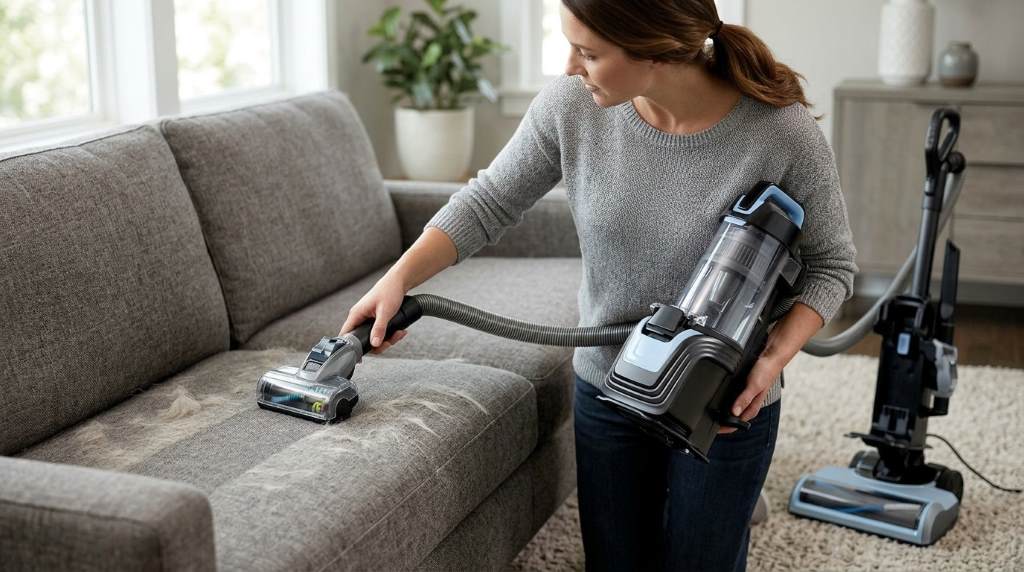
The Bissell 39883 provides specialized engineering tailored directly for homes with shedding pets. First, its compact handheld chassis offers exceptional balance to minimize wrist fatigue during cleaning. Meanwhile, a high-output electric motor delivers intense concentrated suction across every attachment nozzle. Therefore, users lift stubborn fur easily from furniture cushions and carpeted stair risers.
The transparent dirt canister allows operators to check debris collection levels in real time. Furthermore, an easy-release button lets you drop accumulated debris directly into the trash can. Next, the ergonomic grip incorporates a tactile power switch for quick one-finger operation. Indeed, this intuitive handheld design speeds up daily spot cleaning tasks substantially.
Additionally, the unit features advanced multi-stage filtration to trap microscopic dander particles. Consequently, the exhaust air remains clean and free from stale pet odors during use. The motorized brush roll utilizes flexible rubber fins that lift hair without severe knotting. As a result, pet parents spend less time untangling brush bristles after cleaning.
Selecting and Attaching the Proper Cleaning Tools
Choosing the right attachment tool ensures optimal cleaning efficiency on diverse household materials. First, examine the specific fabric or hard surface you intend to clean. Then, select between the motorized brush head, the upholstery tool, and the crevice nozzle. Each tool snaps securely onto the primary intake port with an audible mechanical click.
The motorized brush head works best on thick car seats, pet beds, and stair carpets. Specifically, rotating rubber fins agitate woven fibers to pull embedded undercoat hairs upward. In contrast, the wide upholstery tool features felt fabric strips that attract loose surface hairs. Meanwhile, the slender crevice tool reaches deep into sofa cushions, baseboard edges, and tight corners.
To detach any accessory, press the quick-release tab on the accessory neck firmly. Then, pull the tool straight forward away from the main vacuum housing. Inspect the intake aperture to verify that no pet fur clogs the passage. Therefore, unrestricted airflow maintains constant high-velocity suction through every cleaning session.
Step-by-Step Operating Technique for Furniture and Upholstery
First, ensure the battery holds a complete electrical charge or verify the power cord connection. Then, switch the power toggle to activate the high-speed suction motor. Next, place the motorized nozzle flat against the upholstered furniture fabric surface.
Pull the handheld vacuum backward slowly toward yourself using light, uniform surface pressure. Then, push forward over the same track to loosen remaining fur with the rubber fins. Next, overlap each consecutive cleaning stroke by roughly one inch to guarantee complete coverage. Consequently, the vacuum collects trapped dander and hair in a single thorough pass.
For deeply ingrained hair clusters, change your cleaning stroke angle by ninety degrees. First, make horizontal passes across the cushions to disturb the directional weave of the fabric. Then, follow with vertical passes to draw the loosened hair directly into the nozzle. In fact, cross-directional sweeping removes up to forty percent more hair than straight passes.
When cleaning carpeted stairs, work from the top step downward toward the bottom floor. Also, use the motorized brush on stair treads and switch to the crevice tool for corners. Then, guide the crevice tool along the intersection between the riser and tread cleanly. Thus, every stair step receives detailed sanitization without leaving stubborn hair clumps behind.
Bissell 39883 Tool Specifications and Application Comparison
Matching the proper accessory tool to the cleaning surface protects fabrics and maximizes suction. The table below outlines technical specifications and optimal use cases for each tool.
| Attachment Tool | Agitation Mechanism | Target Surface | Primary Benefit |
|---|---|---|---|
| Motorized Brush Tool | Dual Rubberized Fins | Stairs, pet beds, car carpets | Lifts embedded hair without hair tangles |
| Upholstery Tool | Electrostatic Felt Strips | Couches, curtains, bedspreads | Gentle lint collection on delicate fabrics |
| Crevice Nozzle | High-Velocity Narrow Port | Between cushions, tight edges | Reaches narrow gaps and vehicle floor seams |
| Bare Intake Port | Direct Suction Aperture | Hard floors, pet food bowls | Picks up kibble and dry spilled litter |
The motorized brush tool excels on heavy fabrics that trap stubborn animal undercoats. In contrast, the upholstery tool protects delicate microfiber and silk blends from aggressive friction. Meanwhile, the crevice nozzle concentrates vacuum velocity to extract crumbs from deep cushion cracks. Finally, the bare intake port handles larger debris like dry kibble pellets with ease.
Emptying the Dust Cup and Washing the Filtration Filters
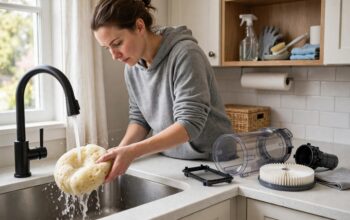
Emptying the clear dirt container frequently protects the electric motor from excessive backpressure. First, locate the canister release button on top of the handheld body. Then, press the release button and pull the dust cup away from the motor unit. Next, hold the container over a household trash receptacle before opening the lower hatch.
Press the trapdoor latch to allow collected hair clumps and dust to drop out. Also, tap the plastic canister sides gently to dislodge remaining clingy fur strands. Next, pull the multi-stage filter assembly out from the center of the cup. Then, separate the mesh outer screen from the pleated inner core filter.
Rinse the mesh screen and pleated filter under cool running tap water thoroughly. However, never use harsh detergents or bleach when washing these delicate filter materials. Then, shake off excess moisture and place the filters on a dry towel.
Allow all filter parts to air dry for twenty-four hours before reinstalling them. Indeed, running damp filters through a vacuum motor causes catastrophic electrical failure.
Motorized Brush Maintenance and Storage Guidelines
Routine brush maintenance preserves agitation torque and extends overall machine service life. First, turn off the vacuum and disconnect the motorized brush head completely. Then, turn the brush unit upside down to inspect the rotating rubber fin roller. Use small scissors carefully to cut any wrapped threads or long human hair.
Pull the severed strands away to allow the roller to spin without resistance. Next, wipe the transparent brush housing with a damp microfiber cloth to remove dust. Also, check the electrical contact pins on the tool neck for dirt or debris. Keeping electrical contact pins clean ensures dependable motorized power transfer during active use.
Store your cleaned handheld vacuum on its wall mount or charging cradle indoors. However, avoid storing the device in humid basements or extremely hot utility sheds. Because extreme temperatures degrade lithium battery cells, climate-controlled storage remains essential. Therefore, place your vacuum in a dry closet where it remains fully accessible.
Troubleshooting Common Bissell 39883 Operational Issues
If your vacuum experiences reduced suction, check the dirt cup and filter first. Often, packed pet hair inside the cyclonic cone impedes natural vortex airflow velocity. Empty the canister and wash the pleated filter to restore normal airflow immediately. Furthermore, check the intake nozzle for jammed kibble pellets or large paper scraps.
If the motorized brush roller stops spinning, inspect the roller for physical obstructions. Hair wrapped tightly around the end caps can bind the internal motor spindle. Remove the obstruction and press the reset button if your model includes one. Also, confirm that the attachment tool clicks securely into the motorized electrical terminals.
If the battery discharges unusually fast, ensure you charge it using genuine chargers. Avoid leaving the battery completely depleted for weeks at a time during storage. In fact, periodic top-off charging preserves internal battery chemistry and extends runtime. Following these simple troubleshooting steps keeps your pet hair eraser operating flawlessly.
Frequently Asked Questions
Can the Bissell 39883 pick up wet spills or liquids?
No, this vacuum is strictly engineered for dry debris and loose animal fur.
How long does the battery last on a single full charge?
The rechargeable battery provides approximately fifteen to twenty minutes of continuous cleaning time.
Can you wash the pleated inner filter with warm soap?
Wash the filter with cold running water only and avoid using household soaps.
How often should you empty the clear pet hair dust cup?
Empty the dust cup after every cleaning session or when debris reaches maximum.
Does this handheld vacuum work well on vehicle car interiors?
Yes, its compact size and crevice attachment make it exceptional for vehicle detailing.
Conclusion
The Bissell 39883 offers pet owners an efficient, powerful solution for chronic hair shedding. Correct tool selection, slow overlapping passes, and routine filter cleaning maximize suction efficiency every day. Furthermore, proper motorized roller care keeps rubber agitation fins spinning with full strength. Take control of pet hair today, attach your motorized brush, and refresh your furniture!