
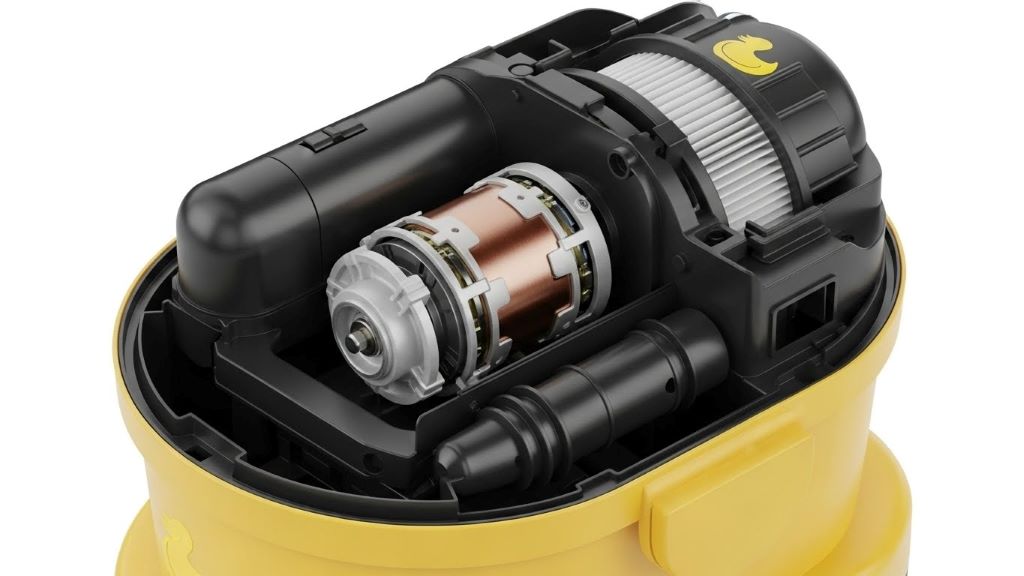
Vacuum cleaners have become essential household appliances, and among the various brands available, Duck vacuum cleaners have gained attention for their innovative design and functionality. Understanding how these machines work can help you make informed decisions about cleaning your home effectively. This article explores the mechanics, features, and benefits of Duck vacuum cleaners while providing practical insights into their operation.
What Makes Duck Vacuum Cleaners Unique
Duck vacuum cleaners stand out in the market due to their combination of powerful suction, user-friendly design, and specialized cleaning capabilities. These machines are engineered to handle various surfaces, from hardwood floors to thick carpets. The brand focuses on creating products that balance performance with ease of use, making them suitable for both small apartments and larger homes.
The design philosophy behind Duck vacuums emphasizes efficiency without unnecessary complexity. Therefore, users can expect straightforward controls and maintenance procedures. Additionally, many models incorporate advanced filtration systems that capture fine particles and allergens, contributing to better indoor air quality.
The Core Components of a Duck Vacuum Cleaner
Understanding the internal components helps explain how Duck vacuum cleaners achieve their cleaning power. Every vacuum relies on several key parts working together seamlessly.
Motor and Suction System
At the heart of every Duck vacuum cleaner lies a powerful motor that generates suction. This motor spins a fan at high speeds, creating a pressure differential that pulls air and debris into the machine. The motor’s wattage determines the overall suction strength, with higher wattage typically providing more powerful cleaning capabilities.
The suction system channels airflow through carefully designed pathways. These pathways direct debris from the cleaning head through the hose or body of the vacuum and into the collection chamber. Engineers optimize these air passages to minimize resistance while maximizing suction efficiency.
Filtration Technology
Duck vacuum cleaners employ multi-stage filtration systems to trap particles of varying sizes. The first stage typically consists of a pre-filter that catches larger debris like hair, dust bunnies, and visible dirt particles. This prevents these items from clogging the main filter.
Subsequently, the air passes through a primary filter, often a HEPA filter in advanced models. HEPA stands for High Efficiency Particulate Air, and these filters can capture 99.97% of particles as small as 0.3 microns. This includes pollen, pet dander, dust mites, and even some bacteria. According to Consumer Reports, HEPA filtration has become increasingly important for households concerned about air quality and allergies.
Dust Collection Chamber
The dust collection chamber stores the debris removed from your floors. Duck vacuum cleaners typically use either bagless cyclonic systems or traditional bag systems. Bagless models separate dirt from air using centrifugal force, spinning the air rapidly so heavier particles fall into a clear container. This allows users to see when emptying is necessary.
Conversely, bagged models trap debris in disposable or reusable bags. These bags act as an additional filter layer. However, they require periodic replacement, which adds to ongoing maintenance costs.
How the Cleaning Process Works Step by Step
When you turn on a Duck vacuum cleaner, a specific sequence of events occurs to remove dirt from your floors.
Initial Air Intake
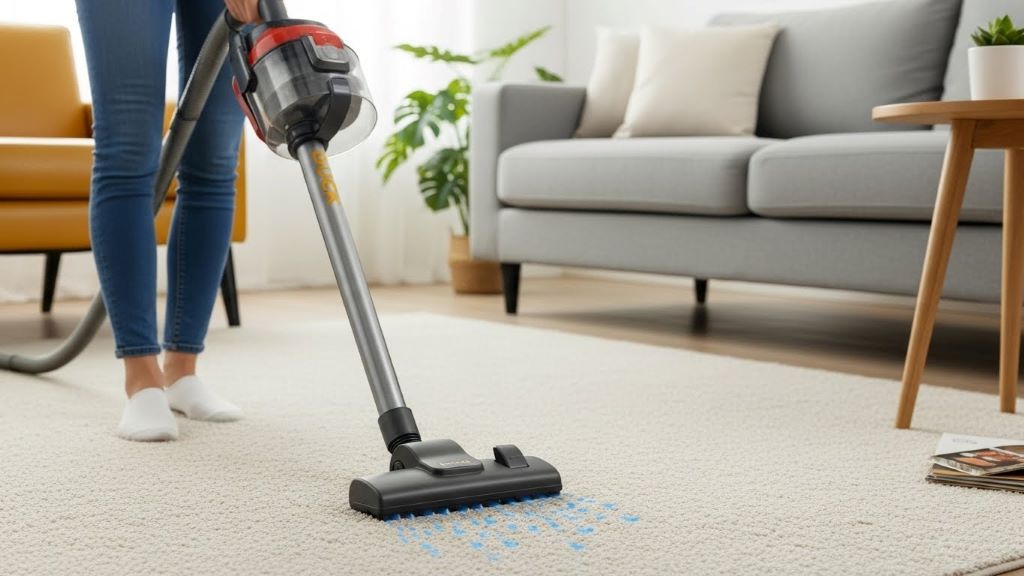
First, the motor activates and begins spinning the internal fan. This creates negative pressure inside the vacuum, causing air to rush in through the cleaning head. The cleaning head, positioned against your floor, has openings that allow air to enter along with any loose debris on the surface.
Many Duck models feature rotating brush rolls in the cleaning head. These brushes agitate carpet fibers or sweep hard floors, loosening embedded dirt and lifting it into the airflow. The combination of mechanical agitation and air suction provides thorough cleaning results.
Air and Debris Separation
Once debris enters the vacuum, it travels through the hose or internal channels. In bagless models, the air enters a cylindrical chamber where it spirals rapidly. This cyclonic action forces heavier particles outward against the chamber walls, where they fall downward into the collection bin.
Meanwhile, the now-cleaner air continues upward through the filtration system. Multiple filters progressively remove smaller and smaller particles until only clean air remains. This process happens continuously while the vacuum operates, ensuring consistent suction power.
Air Exhaust and Filtration
Finally, the filtered air exits the vacuum through exhaust vents. The quality of this exhaust air depends heavily on the filtration system’s effectiveness. High-quality Duck vacuum cleaners with HEPA filters release air that is cleaner than the ambient room air, actually improving your indoor environment.
Key Features That Enhance Performance
Duck vacuum cleaners incorporate several features designed to improve user experience and cleaning outcomes.
Adjustable Suction Control
Many models offer adjustable suction settings. Lower settings work well for delicate surfaces like curtains or upholstery, preventing damage while still removing dust. Higher settings tackle stubborn dirt on carpets and rugs. This versatility makes Duck vacuums suitable for whole-home cleaning.
Specialized Attachments
Duck vacuum cleaners typically come with various attachments for different cleaning tasks. Crevice tools reach into tight spaces between cushions or along baseboards. Upholstery brushes gently clean furniture fabrics. Dusting brushes handle delicate surfaces like lampshades and shelves. These attachments extend the vacuum’s functionality beyond floor cleaning.
Cord Management and Mobility
Corded Duck models often feature automatic cord rewind systems for convenient storage. The power cord retracts into the vacuum body with the press of a button. Additionally, swivel steering and smooth-rolling wheels enhance maneuverability around furniture and obstacles.
Maintenance Tips for Optimal Performance
Proper maintenance ensures your Duck vacuum cleaner continues operating at peak efficiency. Regular upkeep prevents common problems and extends the machine’s lifespan.
Filter Cleaning and Replacement
Filters accumulate particles over time, which can reduce suction power. Therefore, check your filters monthly and clean or replace them according to the manufacturer’s recommendations. Washable filters need thorough drying before reinstallation to prevent mold growth.
Emptying the Dust Container
Empty the dust container when it reaches the fill line, typically about two-thirds full. Overfilling reduces suction effectiveness and can strain the motor. For bagged models, replace bags before they become completely full for the same reasons.
Brush Roll Maintenance
Hair and fibers often wrap around brush rolls, impeding rotation. Inspect the brush roll regularly and remove any tangled debris. Some Duck models include tools specifically designed for this purpose. Clean brush rolls spin freely and maintain optimal contact with flooring surfaces.
Environmental and Health Benefits
Duck vacuum cleaners with advanced filtration systems offer benefits beyond basic cleaning. By capturing allergens and fine particles, these machines contribute to healthier indoor environments. This particularly benefits individuals with asthma, allergies, or respiratory sensitivities.
Furthermore, bagless models reduce waste by eliminating the need for disposable bags. Users simply empty the dust container into the trash, making the cleaning process more environmentally friendly. However, this does require more frequent contact with dust during emptying.
Common Troubleshooting Issues
Even well-maintained Duck vacuum cleaners occasionally experience problems. Understanding common issues helps you address them quickly.
Loss of Suction Power
Reduced suction usually indicates a clog somewhere in the system or dirty filters. Check the hose, cleaning head, and all air pathways for obstructions. Clean or replace filters as needed. Additionally, ensure the dust container is not overfilled.
Unusual Noises
Strange sounds often signal that something is caught in the brush roll or that a component has come loose. Turn off and unplug the vacuum before investigating. Remove any debris from the brush roll and check that all parts are properly secured.
Motor Overheating
If the motor becomes excessively hot, the vacuum may automatically shut off as a safety measure. This typically occurs due to restricted airflow from clogs or dirty filters. Allow the motor to cool completely, then address the underlying airflow problem before restarting.
Conclusion
Duck vacuum cleaners function through a carefully engineered system of motor-driven suction, multi-stage filtration, and efficient debris collection. Understanding how these components work together helps users maximize cleaning performance and maintain their machines properly. The combination of powerful motors, effective filtration, and thoughtful design features makes Duck vacuums capable of handling diverse cleaning challenges throughout your home.
Regular maintenance, including filter cleaning, dust container emptying, and brush roll care, ensures optimal performance and longevity. By investing time in understanding and maintaining your Duck vacuum cleaner, you can enjoy cleaner floors, better air quality, and a more efficient cleaning routine. These machines represent the evolution of home cleaning technology, making household maintenance more manageable and effective than ever before.
Frequently Asked Questions
How often should I replace the HEPA filter in my Duck vacuum cleaner?
Most HEPA filters require replacement every 6 to 12 months, depending on usage frequency and household conditions. Homes with pets or high dust levels may need more frequent replacements. Always check your specific model’s manual for manufacturer recommendations.
Can Duck vacuum cleaners work on both carpets and hard floors?
Yes, most Duck vacuum cleaners are designed for multi-surface cleaning. Many models feature adjustable settings or automatic surface detection that optimizes performance for different floor types. Some include specialized brush rolls that work effectively on both surfaces.
Why does my Duck vacuum smell bad when I use it?
Unpleasant odors typically result from accumulated debris, mold in damp filters, or pet hair decomposition. Empty the dust container, clean or replace filters, and check for any trapped organic matter. Allowing filters to dry completely before reinstalling prevents mold growth.
How does cyclonic technology improve vacuum performance?
Cyclonic technology uses centrifugal force to separate dirt from air without relying solely on filters. This maintains consistent suction power as the dust container fills, unlike traditional systems where bags clog and reduce effectiveness. Additionally, it reduces the frequency of filter maintenance.
Is it normal for my Duck vacuum to lose suction over time?
Some gradual suction loss is normal as filters accumulate particles and components experience wear. However, sudden or significant loss usually indicates a maintenance issue like clogged filters, full dust containers, or blocked air pathways. Regular cleaning and part replacement restore performance.
Related Topics:
How to Choose the Perfect Vacuum Cleaner for Your Floor Type
Top Robot Vacuums That Actually Work (And Why They’re Worth Every Penny)


