Vacuum cleaners have become an essential part of modern homes, ensuring clean floors and fresh air. However, have you ever wondered what happens if i vacuum without a filter? It may seem like a minor detail, but removing or neglecting the filter can lead to severe consequences for both your vacuum cleaner and your health.
Many vacuum users believe that filters are optional. They think vacuuming without a filter will improve suction or increase efficiency. But the truth is, using a vacuum without a filter can lead to clogged motors, reduced lifespan, and poor indoor air quality. In this article, we’ll explore why filters matter, the consequences of vacuuming without them, and how to maintain your vacuum for optimal performance.
The Role of a Vacuum Filter
A vacuum filter is a critical component that traps dust, dirt, allergens, and small particles before they are released back into the air. Different vacuum cleaners use various filters, such as:
- HEPA Filters – High-Efficiency Particulate Air filters capture 99.97% of particles as small as 0.3 microns.
- Foam Filters – Used to capture larger particles and protect the motor.
- Charcoal Filters – Effective in removing odors.
- Cyclonic Filtration – Uses centrifugal force to separate dirt before it reaches the filter.
Filters are designed to maintain indoor air quality and protect the vacuum’s motor from excessive debris buildup. Discover Does Robot Vacuum Work on Carpet?
What Happens If I Vacuum Without a Filter?
1. Dust and Dirt Will Be Released Back Into the Air
Without a filter, the dust and dirt collected by your vacuum cleaner will not be properly trapped. Instead, these particles will be expelled back into the air, leading to:
- Increased allergens in your home.
- Dust resettling on floors and furniture.
- Poor air quality, especially for asthma or allergy sufferers.
2. Clogged and Overheated Motor
Vacuum cleaners rely on clean airflow to function efficiently. Without a filter, dust and debris enter the motor, clogging it over time. This leads to:
- Overheating, causing the vacuum to shut down unexpectedly.
- Reduced suction power, making it less effective.
- Permanent damage, requiring costly repairs or replacements.
3. Increased Allergy and Respiratory Issues
A vacuum without a filter can spread allergens such as pollen, pet dander, and dust mites throughout your home. For individuals with asthma or allergies, this can lead to:
- Difficulty breathing.
- Increased allergy symptoms like sneezing and coughing.
- Long-term respiratory complications.
4. Shortened Vacuum Cleaner Lifespan
Dirt buildup in the motor and other components causes excessive wear and tear, leading to:
- Frequent breakdowns.
- Need for frequent maintenance.
- Reduced overall lifespan of the vacuum.
5. Bad Odors and Mold Growth
Without a filter, moisture and dust can combine to create an ideal environment for mold growth inside the vacuum. This results in:
- Unpleasant smells emitted from the vacuum.
- Potential mold spores being spread into the air.
- Increased health risks from mold exposure.
Can You Use a Vacuum Without a Filter for Certain Tasks?
Some vacuum models allow for limited use without a filter in specific situations:
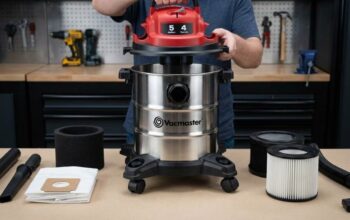
- Wet-Dry Vacuums – Designed to operate without filters when vacuuming liquids.
- Shop Vacs – Some can be used without a filter for large debris collection.
- Bagged Vacuums – If the vacuum uses a disposable bag, it may have some filtration built into the bag itself.
However, for standard home vacuums, using them without a filter is strongly discouraged.
How to Properly Maintain Your Vacuum Filter
To ensure your vacuum operates efficiently, follow these maintenance tips:
- Regularly Clean or Replace Filters – Wash foam filters and replace HEPA or paper filters as needed.
- Check Manufacturer’s Guidelines – Each vacuum has specific filter requirements.
- Empty the Dustbin or Bag Frequently – Prevent clogging and improve suction.
- Use High-Quality Filters – Investing in a good filter enhances performance and air quality.
Best Vacuum Filters for Optimal Performance
Here are some top-rated vacuum filters that improve efficiency:
| Brand | Filter Type | Compatibility | Price Range |
|---|---|---|---|
| Dyson HEPA Filter | HEPA | Dyson Vacuums | $30 – $50 |
| Shark Foam & Felt Filter | Foam & Felt | Shark Models | $15 – $25 |
| Bissell Febreze Filter | Charcoal & HEPA | Bissell Vacuums | $10 – $20 |
| Hoover HEPA Exhaust Filter | HEPA | Hoover Vacuums | $20 – $35 |
FAQs
Can I vacuum without a filter if I clean it afterward?
No, even if you clean your vacuum, the damage caused by dust and debris entering the motor is irreversible.
Will vacuuming without a filter ruin my vacuum permanently?
Yes, prolonged use without a filter can lead to motor failure, requiring expensive repairs or a full replacement.
Can I use a homemade filter?
Homemade filters may not provide proper filtration, allowing small particles to escape and causing damage over time.
Are bagged vacuums better than bagless ones in terms of filtration?
Bagged vacuums often provide better filtration since the bag itself acts as a filter, reducing dust leakage.
How often should I replace my vacuum filter?
Most manufacturers recommend replacing or cleaning filters every 3-6 months, depending on usage.
Conclusion
Vacuuming without a filter is never a good idea. It can lead to poor indoor air quality, motor damage, increased allergens, and costly repairs. To keep your vacuum running efficiently and protect your health, always use the correct filter, clean it regularly, and follow the manufacturer’s recommendations.
By taking proper care of your vacuum cleaner, you not only extend its lifespan but also ensure a cleaner and healthier home environment.